
Home remodeling projects usually begin with excitement. A homeowner pictures a brighter kitchen, a more functional bathroom, or a backyard that finally feels complete. The problem is that many renovation projects are approached with short-term thinking. Budgets get stretched, timelines slip, and decisions made in a hurry often lead to expensive corrections months later.
A successful remodel is not only about how a home looks when the project ends. It is also about how well the upgrades perform years later. Careful planning, realistic budgeting, and durable design decisions can prevent many common problems before construction even begins.
Creating a Renovation Timeline Before Demolition Begins
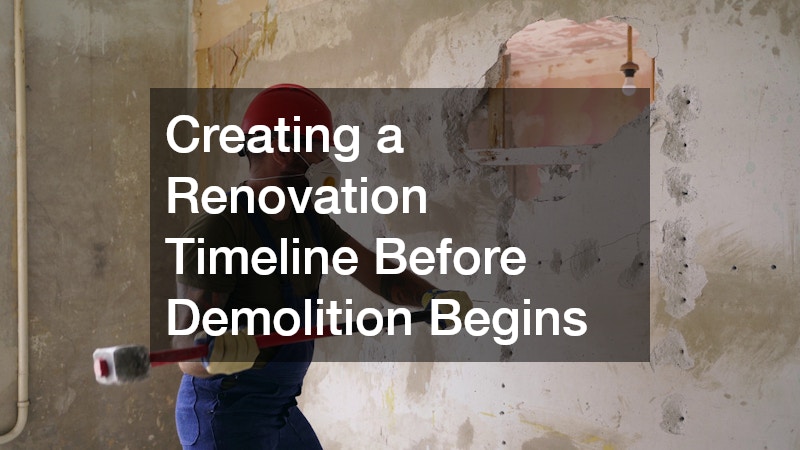
One of the biggest financial mistakes homeowners make is starting renovations without a complete long-term plan. It is surprisingly common for people to renovate one room, only to tear parts of it apart again a year later because another upgrade affects the same area.
This issue becomes even more expensive during large outdoor projects such as pool renovations. Homeowners sometimes focus entirely on aesthetics while overlooking surrounding drainage, electrical systems, or patio layouts. Months later, additional excavation becomes necessary because the original design did not account for future upgrades.
A more effective approach is to think about the house as one connected system. Before demolition begins, homeowners should evaluate:
- Structural concerns
- Electrical capacity
- Plumbing condition
- Drainage issues
- HVAC performance
- Long-term family needs
Renovation fatigue often causes rushed decisions halfway through a project. A detailed roadmap helps prevent emotional spending and unnecessary rework.
Another common issue is failing to sequence projects correctly. Exterior work should often happen before interior cosmetic upgrades, especially when roofing, windows, or drainage are involved. Otherwise, water intrusion or construction damage can ruin completed finishes.
Homeowners who pause to plan thoroughly usually spend less overall, even if the upfront preparation feels time-consuming.
Evaluating Contractors Beyond the Lowest Bid
Price matters during a remodel, but choosing a contractor based entirely on the lowest estimate can become extremely expensive later.
Many homeowners learn this lesson after discovering hidden shortcuts halfway through construction. Sometimes the problems are obvious, such as crooked tile lines or unfinished trim. In other cases, the issues remain hidden behind walls until moisture damage or structural failure appears.
Hiring an experienced swimming pool builder, for example, involves more than comparing installation prices. Outdoor construction affects drainage patterns, soil movement, electrical systems, and long-term maintenance requirements. A poorly designed installation may crack prematurely or create standing water problems throughout the yard.
Contractors who underbid projects often recover profits by:
- Using lower-quality materials
- Rushing labor
- Skipping preparation steps
- Hiring inexperienced subcontractors
- Avoiding permits or inspections
A homeowner renovating a bathroom once shared that their contractor completed the project two weeks ahead of schedule. At first, that sounded impressive. A few months later, water began leaking behind the shower wall because waterproofing layers had been skipped entirely.
The cheapest quote rarely reflects the true long-term cost.
Instead of focusing only on price, homeowners should ask practical questions:
- How long has the contractor handled similar projects?
- Are permits included?
- Who manages subcontractors?
- What warranty is offered?
- How are unexpected issues handled?
References also matter, but many homeowners fail to ask the right follow-up questions. Instead of simply asking whether a contractor was “good,” ask whether the homeowner experienced problems after the project ended.
Long-term durability tells a far more accurate story than a polished portfolio.
Improving Efficiency Before Expanding Living Spaces
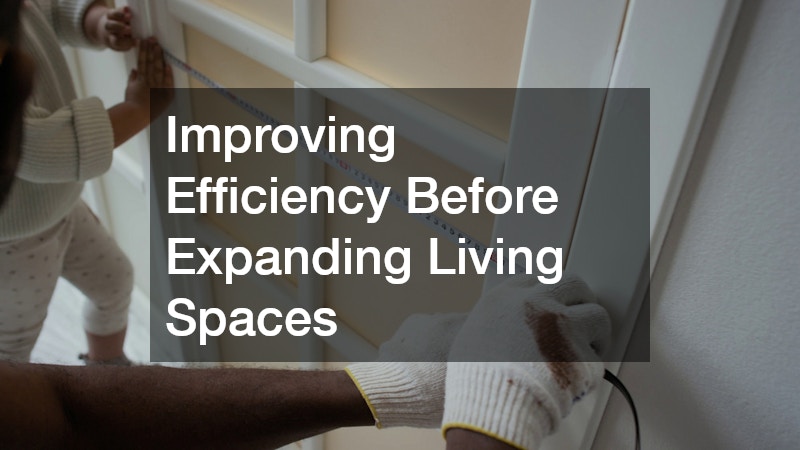
Many remodeling projects focus heavily on appearance while ignoring energy performance. That mistake becomes particularly expensive after home additions or layout changes alter airflow throughout the house.
An older HVAC system may have worked reasonably well before renovations. However, opening floor plans, adding square footage, or installing larger windows changes how air circulates indoors. Without adjustments, energy bills can rise dramatically.
Homeowners often wait until the end of construction to address heating and cooling concerns. By then, walls are closed, insulation choices are finalized, and duct access becomes more difficult.
Proper air conditioning installation should happen alongside renovation planning, not after cosmetic work is complete. System sizing is especially important. Oversized systems cycle too quickly and waste energy, while undersized systems struggle constantly and wear out faster.
A remodel provides an opportunity to improve efficiency in ways that are difficult later. This may include:
- Upgrading insulation
- Sealing ductwork
- Improving attic ventilation
- Replacing aging thermostats
- Evaluating airflow room by room
One homeowner remodeled their kitchen and living room into a large open-concept space but kept the same HVAC setup from the original layout. The result was uneven cooling, constant thermostat adjustments, and rising utility costs. Retrofitting the system afterward required cutting into newly finished ceilings.
Planning mechanical upgrades early prevents expensive corrections later.
Coordinating System Upgrades Before Finishes Are Installed
Some remodeling mistakes happen simply because homeowners delay decisions too long.
Electrical, plumbing, and cooling systems are often treated as secondary concerns while homeowners focus on cabinets, flooring, and paint colors. Unfortunately, hidden systems usually determine whether a renovation performs well long-term.
Problems commonly arise when older systems cannot support new demands. A remodeled upstairs living area may expose inadequate airflow. A modern kitchen may overload outdated electrical circuits. Waiting until after finishes are installed often means reopening completed walls.
This becomes particularly costly when an AC installation is delayed until the final stages of a remodel. Contractors may need to remove drywall, relocate framing, or modify ceilings that were already finished.
A better strategy is to schedule inspections before cosmetic decisions are finalized. Experienced contractors often recommend opening limited wall sections early to evaluate:
- Wiring age
- Pipe condition
- Ventilation routes
- Moisture damage
- Structural framing
Although homeowners sometimes resist these inspections because they fear added costs, hidden problems rarely become cheaper later.
There is also an emotional side to renovation spending that many people overlook. Once beautiful finishes are installed, homeowners become far more reluctant to reopen walls or pause the project. That pressure can lead to temporary fixes rather than proper repairs.
The smartest remodels usually prioritize infrastructure first and aesthetics second.
Addressing Plumbing Issues Before Cosmetic Upgrades
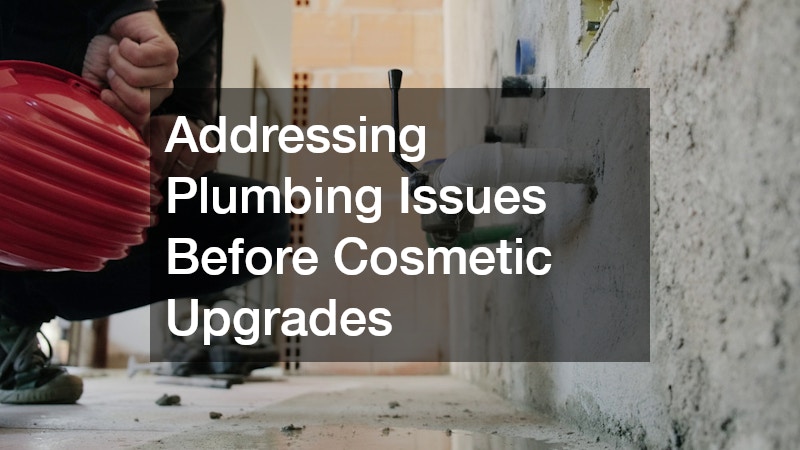
New tile and fresh cabinetry can quickly lose their appeal when plumbing problems appear underneath them.
Water damage is one of the most expensive and disruptive issues homeowners face after remodeling projects. Unfortunately, plumbing systems are often ignored because they remain out of sight.
Older homes are especially vulnerable. Corroded pipes, inconsistent water pressure, and aging drain lines may continue functioning for years before suddenly failing during or after renovations.
Experienced local plumbers frequently discover hidden problems once walls or floors are opened. In some cases, renovations unintentionally increase water pressure demands that older systems cannot handle.
Kitchen and bathroom remodels create the perfect opportunity to evaluate:
- Pipe materials
- Drain performance
- Shutoff valve condition
- Water pressure stability
- Leak history
One homeowner completed a full bathroom remodel with premium tile, custom vanities, and upgraded lighting. Six months later, a slow leak behind the wall caused mold growth and damaged the surrounding drywall because the original plumbing connections had never been replaced.
Ignoring preventive plumbing work often creates the illusion of saving money upfront while dramatically increasing long-term repair costs.
It is also important to understand that cosmetic upgrades can hide developing issues. Small leaks behind cabinetry or beneath flooring may remain unnoticed until structural damage becomes severe.
Preventive inspections may feel inconvenient during remodeling, but they are far less disruptive than emergency repairs later.
Choosing Durable Materials Instead of Following Trends
Trendy design choices often age faster than homeowners expect.
Social media has accelerated remodeling trends dramatically. A material or design style that feels modern today may look outdated within just a few years. That does not necessarily mean homeowners should avoid trends entirely, but durability should always matter more than novelty.
This becomes especially important for outdoor safety features and high-exposure areas. Custom aluminum railings, for example, continue growing in popularity because they combine durability with low maintenance requirements. Unlike wood systems that require ongoing repainting or repair, aluminum performs well in changing weather conditions and resists corrosion.
Many homeowners underestimate how much maintenance affects long-term satisfaction with a renovation. A material may look beautiful initially, but it may become frustrating after years of upkeep.
Before selecting finishes, homeowners should think about:
- Moisture exposure
- Daily wear patterns
- Cleaning requirements
- UV exposure
- Long-term repair costs
Durability becomes even more important in homes with children, pets, or heavy foot traffic.
Another common mistake is prioritizing visual consistency over practical function. Some materials work beautifully in low-traffic spaces but fail quickly in busy entryways or outdoor areas.
Homeowners sometimes regret selecting delicate finishes simply because they looked appealing in a showroom. Real-life conditions are very different from staged displays.
A remodel should support daily living, not create constant maintenance stress.
Preventing Water Damage Before It Reaches the Foundation

Exterior drainage problems rarely attract attention until serious damage appears.
Homeowners often spend heavily on kitchens, flooring, or landscaping while ignoring water management systems entirely. Unfortunately, moisture problems can quietly damage foundations, siding, insulation, and framing for years before becoming visible.
One of the simplest but most overlooked maintenance priorities is gutter repair. Damaged or clogged gutters allow water to overflow near the foundation, increasing the risk of erosion and moisture intrusion.
Exterior renovations should always include an evaluation of:
- Roof drainage
- Downspout placement
- Soil grading
- Foundation drainage
- Siding condition
A homeowner may invest thousands in backyard upgrades while unknowingly directing rainwater toward the home itself. Over time, even small drainage problems can create structural settling or basement leaks.
Seasonal weather changes make these problems worse. Freeze-thaw cycles, heavy storms, and prolonged humidity can accelerate deterioration rapidly once moisture enters hidden areas.
Warning signs often appear gradually:
- Peeling paint
- Soft drywall
- Musty odors
- Cracks near windows
- Standing water near foundations
Homeowners sometimes dismiss these issues as cosmetic when they actually indicate larger structural concerns.
Matching Flooring Choices to Daily Life
Flooring decisions affect comfort, maintenance, durability, and long-term resale value more than many homeowners realize.
The mistake is not necessarily choosing the “wrong” material. It is choosing flooring without honestly evaluating how the home functions every day.
Hardwood flooring remains one of the most desired options because of its durability and timeless appearance. However, not every household is ideal for every wood species or finish. Large dogs, fluctuating humidity, or high moisture exposure may create challenges that homeowners fail to anticipate.
Meanwhile, some homeowners dismiss softer surfaces too quickly. Carpet flooring still offers important advantages in bedrooms, family rooms, and upper-story living spaces where warmth and sound reduction matter.
A family with young children may prioritize comfort and noise control differently than a retired couple focused on resale value.
Flooring decisions should consider:
- Moisture exposure
- Cleaning habits
- Noise levels
- Lifestyle patterns
- Future maintenance needs
Installation quality matters just as much as the material itself. Even premium flooring performs poorly when subfloor preparation is rushed or when moisture testing is skipped.
Prioritizing Functionality Over Short-Term Design Trends
Many remodeling regrets stem from prioritizing appearance over usability.
Homeowners sometimes become so focused on achieving a specific aesthetic that they overlook how spaces will actually function. This issue affects everything from flooring textures to lighting placement to storage design.
This is especially important when comparing surfaces that affect comfort daily. Carpet flooring may not dominate design magazines the way it once did, but it still serves practical purposes in certain spaces. Bedrooms, playrooms, and media rooms often benefit from softer surfaces that reduce sound and improve comfort.
The problem occurs when homeowners follow trends without considering maintenance realities.
Before finalizing material choices, homeowners should ask:
- How often will this require cleaning?
- Will scratches or wear become noticeable quickly?
- Is the surface safe for children or older adults?
- How difficult will repairs be later?
Remodeling decisions tend to last much longer than design trends.
Some of the most expensive renovations happen when homeowners attempt to reverse trendy choices only a few years later. Timeless functionality usually delivers better long-term value than dramatic visual statements.
Planning Outdoor Improvements With Drainage in Mind
Outdoor upgrades can transform a property, but rushed planning often creates expensive structural and drainage issues.
Patios, walkways, and driveways influence how water moves throughout a property. When grading is ignored, water may collect near foundations or create unstable surfaces over time.
Professionally installed pavers help improve drainage flexibility because they allow better water management than some continuous concrete surfaces. However, installation quality matters tremendously. Improper base preparation can lead to shifting, cracking, or uneven settling.
Homeowners frequently focus on visual layout without understanding how elevation changes affect runoff patterns.
Common outdoor remodeling mistakes include:
- Ignoring slope direction
- Installing surfaces too close to the siding
- Blocking natural drainage routes
- Using inadequate base materials
- Skipping edge restraints
Outdoor projects should also account for future maintenance access. A beautifully designed patio becomes frustrating if irrigation systems, drainage lines, or utility connections become inaccessible later.
A remodel should make daily life easier, safer, and more comfortable. When homeowners approach renovations with patience and long-term thinking, they are far more likely to avoid the costly cycle of repairs, replacements, and regret that follows rushed decisions.