Every home is really a collection of interconnected systems working quietly in the background, and most homeowners only think about them once something breaks. The problem is that by the time you notice a symptom, the underlying damage has often been building for months or years. Understanding which systems degrade fastest without upkeep gives you a roadmap for where to focus your time, attention, and budget. Below is a breakdown of the home systems most prone to early failure, and what neglecting them actually costs you.
Wiring and Electrical Panels Wear Out Quietly
Electrical systems rarely announce their decline with obvious warning signs until something has already gone wrong. Loose connections, aging breakers, and outdated panels can overheat gradually, and homeowners often dismiss flickering lights or warm outlets as minor annoyances. In reality, these are often the only clues a system gives before a bigger failure.
Panels installed more than 25 to 30 years ago, especially older fuse boxes or brands like Federal Pacific and Zinsco, are known to fail at higher rates and may no longer meet the load demands of modern homes packed with electronics, HVAC systems, and appliances. A breaker that trips repeatedly isn’t just annoying—it’s a signal that something downstream is drawing too much current or that the breaker itself is failing to do its job. Discolored outlet covers, a persistent burning smell near the panel, or a faint buzzing sound are all signs that wiring insulation or connections have already started to degrade.
Over time, these small issues compound into fire hazards or complete system failures that are far more expensive to fix than routine inspection would have been. The National Fire Protection Association estimates that electrical failures cause tens of thousands of home fires each year, many traceable to aging wiring or overloaded circuits that were never inspected. A professional electrical inspection every 3 to 5 years—or immediately after buying an older home—can catch loose lugs, corroded connections, and undersized wiring before they become dangerous, often for a few hundred dollars against a potential repair bill in the thousands.
Electrical systems rarely announce their decline the way a leaky pipe or a rattling furnace does. Wiring degrades behind walls, and panels can quietly corrode or loosen their connections for years before anything trips, sparks, or smells like trouble. By the time a homeowner notices warm outlets, flickering lights, or a breaker that trips for no obvious reason, the underlying wear has often been building for a long time.
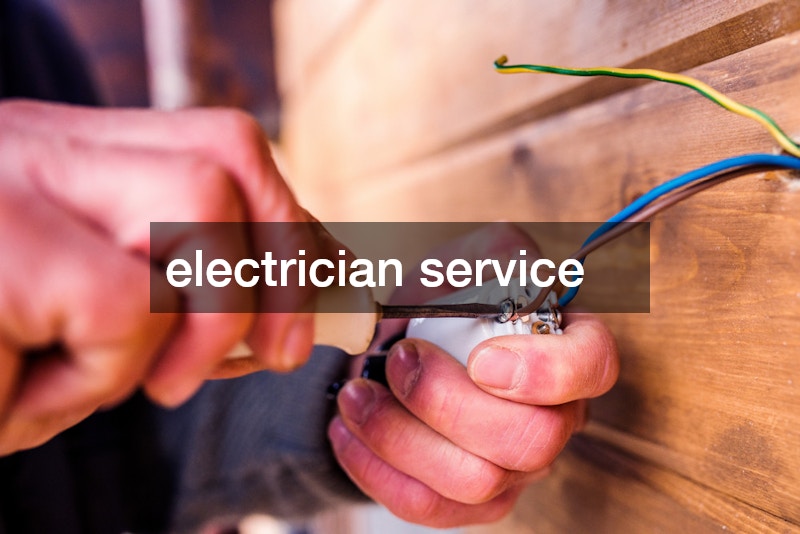
Bringing in a licensed electrician service every few years for a panel inspection can catch problems long before they become dangerous. Inspectors typically check for loose lugs, signs of arcing, outdated fuse boxes, and double-tapped breakers — all common culprits behind house fires. Panels installed more than 20-25 years ago, especially older Federal Pacific or Zinsco models, are worth a closer look since they’re known for failing to trip properly under overload conditions.
A residential electrician can also test for overloaded circuits, which are increasingly common as homes add more appliances, EV chargers, and smart devices than the original wiring was designed to handle. A typical 100-amp panel that once comfortably served a modest household may struggle once a homeowner adds central air, a hot tub, and a Level 2 EV charger. Upgrading to a 200-amp panel is often the recommended fix, but only a proper load calculation can confirm what a home actually needs.
Sticking to a regular inspection schedule also helps homeowners budget for panel upgrades before an outdated system becomes a safety liability. A full panel replacement can run anywhere from $1,500 to $4,000 depending on panel size and local labor rates, and spreading that cost over a planned timeline beats facing an emergency replacement after a scare.
- Discolored, warm, or crackling outlet covers signal hidden wiring stress and should prompt an immediate shutoff and inspection
- Frequent breaker trips often mean a circuit is overloaded, especially in kitchens or rooms running multiple high-draw appliances
- Flickering lights across multiple rooms can point to a panel issue rather than a simple bulb problem
- A burning or fishy odor near outlets or the panel is a warning sign that shouldn’t wait for a scheduled checkup
- Older homes with cloth wiring or fuse boxes need more frequent professional checks, since these systems predate modern safety codes
- Panels over 25 years old or rated below 100 amps often can’t support today’s electronics and may need upgrading
- Annual inspections catch loose connections and corrosion before they turn into fire hazards
HVAC Systems Break Down Without Seasonal Checkups
Heating and cooling systems work harder than almost any other system in the house, cycling on and off constantly to keep indoor temperatures stable. Dirty filters, clogged coils, and low refrigerant levels force the system to strain, which shortens its lifespan considerably. Many homeowners don’t realize their unit is struggling until it stops cooling altogether during the hottest week of summer.
Scheduling air conditioner repairs at the first sign of reduced airflow or strange noises can prevent a full system breakdown. Waiting until the unit fails completely usually means a higher repair bill and, in some cases, an emergency replacement that could have been avoided with earlier attention. A well-maintained system also uses less energy, which shows up directly in lower utility bills over time.
- Weak airflow from vents often signals a failing blower motor
- Unusual cycling patterns can indicate thermostat or compressor issues
- Ice buildup on the unit points to refrigerant or airflow problems
- Annual tune-ups before summer and winter extend equipment life
Plumbing Pipes and Drains Deteriorate Under the Surface
Plumbing problems tend to develop slowly, often inside walls or underground where they’re impossible to see. Mineral buildup, tree root intrusion, and grease accumulation gradually narrow pipes until water flow slows to a crawl. By the time a homeowner notices standing water or a persistent bad smell, the blockage has usually been forming for a long time.
Hiring drain cleaning contractors on a regular schedule helps clear buildup before it turns into a full clog or a burst pipe. This is especially important for older homes with clay or cast iron piping, which is more vulnerable to root intrusion and corrosion. Routine drain maintenance is a small investment compared to the cost of excavating a yard to repair a collapsed sewer line.
- Slow drains in multiple fixtures suggest a main line issue
- Gurgling sounds from toilets can indicate a venting or blockage problem
- Sewage odors indoors often mean a crack or clog in the main line
- Older pipe materials need more frequent professional attention
Exterior Siding Absorbs Years of Weather Damage
Siding acts as the first line of defense against rain, wind, sun, and temperature swings, which means it takes a beating year after year. Cracked, warped, or loose panels let moisture seep into the wall cavity, where it can quietly rot framing and grow mold long before any damage is visible from outside. Homeowners often underestimate how much protection their siding provides until they see the cost of repairing water damage behind it.
Reputable siding contractors recommend inspecting exterior panels at least once a year, particularly after severe storms or extreme temperature swings. Catching a small crack or gap early usually means a simple patch job rather than replacing entire sections of the wall. Since siding also affects insulation and energy efficiency, keeping it in good condition helps regulate indoor temperatures and reduce heating and cooling costs.
- Warping or bubbling siding often points to trapped moisture
- Faded or chalky siding may have exceeded its protective lifespan
- Gaps around windows and doors accelerate water infiltration
- Mold or mildew streaks suggest ongoing moisture problems
Driveways and Walkways Crack Faster Than Expected

Asphalt and concrete surfaces seem durable, but they’re constantly exposed to freeze-thaw cycles, vehicle weight, and UV rays that break down their structure over time. Small cracks that go unsealed allow water to penetrate and expand during winter, turning minor surface damage into deep structural failures. Once potholes or heaving sections form, the repair becomes significantly more invasive and costly.
An experienced asphalt contractor can seal small cracks early and recommend a resealing schedule based on your local climate and traffic patterns. Driveways that go five or more years without sealing tend to deteriorate at a much faster rate, especially in regions with harsh winters. Addressing minor damage promptly protects the investment and keeps the surface safe for daily use.
- Spiderweb cracking usually signals surface aging
- Standing water on the surface suggests poor drainage or settling
- Faded color often means the protective seal coat has worn away
- Edge crumbling points to inadequate base support
Trees and Root Systems Threaten Structures Over Time

Overgrown trees do more than drop leaves and branches; their root systems can quietly damage foundations, driveways, and underground pipes as they search for water. Branches that grow too close to the roofline create risks during storms and can also trap moisture against shingles, accelerating wear. Many homeowners only address tree issues after a limb falls or roots have already cracked a walkway.
Scheduling regular tree services for pruning and health assessments helps identify weak limbs, disease, or root patterns before they cause damage. A professional can also advise on safe distances between large trees and structures, which varies depending on species and soil conditions. Proactive tree care protects both the landscape and the underlying infrastructure it might otherwise compromise.
- Leaning trees or exposed roots may indicate instability
- Branches touching the roof invite pests and moisture damage
- Dead limbs pose a falling hazard during storms
- Root heaving near driveways signals underground pressure
Property Boundaries Shift Without Anyone Noticing
Fences, landscaping, and even structures can drift out of alignment with actual property lines over the years, especially after renovations or neighboring construction projects. Disputes over boundaries often surface unexpectedly, such as when installing a new fence or selling the property. Without documentation, resolving these disagreements can become a lengthy and stressful process.
Working with land surveyor services before major construction or landscaping projects establishes a clear, legal record of where your property actually begins and ends. This is particularly useful when adding structures near a boundary line, since building even slightly over it can create costly legal complications later. A current survey also gives peace of mind when negotiating with neighbors about shared fences or trees.
- Old surveys may not reflect changes from municipal records updates
- Fence lines are not always accurate representations of legal boundaries
- New construction near a property line should be verified beforehand
- Disputes are far easier to resolve with documented survey evidence
Propane Tanks and Lines Need Consistent Oversight
Homes that rely on propane for heating, cooking, or backup power depend on a system that requires regular checks to remain safe and efficient. Corroded lines, faulty regulators, and undetected leaks can develop slowly, and because propane is stored outdoors or underground, problems aren’t always visible. A neglected system doesn’t just risk running out of fuel at an inconvenient time; it can also become a serious safety hazard, sometimes requiring emergency electrical repair if a faulty connection damages nearby wiring or components.
Scheduling routine propane services ensures tanks are properly pressurized, lines are free of corrosion, and connections meet current safety standards. Technicians can also perform leak detection tests that are difficult for homeowners to carry out on their own. Staying current with inspections keeps the system reliable through the coldest months when demand on the system is highest.
- A sulfur or rotten egg smell near tanks may indicate a leak
- Pilot lights that won’t stay lit often point to supply issues
- Rust or corrosion on tanks reduces structural integrity
- Annual inspections catch small leaks before they become dangerous
Home systems rarely fail overnight; they wear down gradually through years of small, unaddressed issues. The good news is that most of this deterioration is preventable with consistent inspections and timely repairs from qualified professionals. Rather than waiting for a visible breakdown, take stock of which systems in your home haven’t been checked recently and schedule an assessment. A little proactive attention now can save significant money, stress, and disruption down the road.