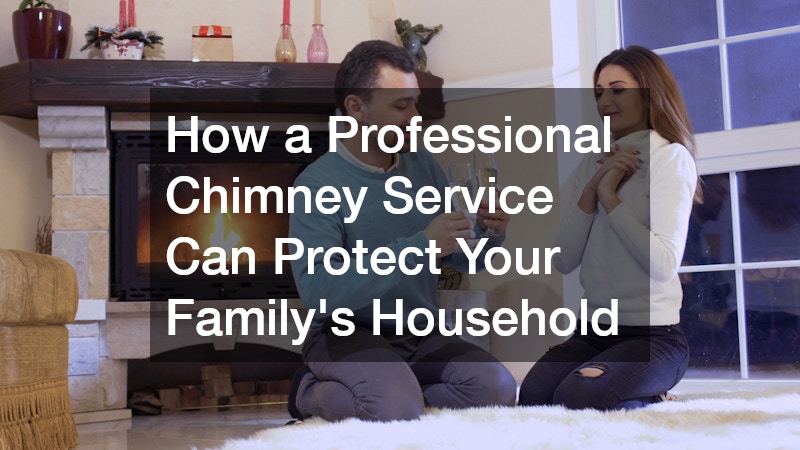
A chimney plays an important role in safely venting smoke, gases, and combustion byproducts from your fireplace or heating system. However, like other parts of a home, it requires regular attention to continue functioning properly. Without proper maintenance, hidden problems can develop and create safety concerns for everyone in the household.
A professional chimney service can identify potential hazards before they become serious problems. From removing dangerous buildup to detecting structural damage, routine care helps keep your fireplace and chimney operating safely and efficiently.
Preventing Dangerous Chimney Fires
One of the most important ways professional chimney maintenance protects a household is by reducing the risk of chimney fires. Burning wood produces smoke and other combustion byproducts that can leave behind creosote, a highly combustible substance that gradually accumulates along the interior walls of a chimney. If enough creosote builds up, exposure to intense heat can cause it to ignite.
Professional chimney cleaning removes accumulated creosote and other debris that ordinary fireplace cleaning cannot address. Experienced technicians can access areas that may be difficult for homeowners to inspect themselves, helping ensure the flue is substantially cleared before the fireplace is used again.
A professional inspection can also reveal conditions that may increase fire risks, such as damaged flue liners, obstructions, or improper clearances around combustible materials. Identifying these concerns early gives homeowners an opportunity to have them corrected before they contribute to a dangerous situation.
Regular maintenance is especially valuable for households that frequently use wood-burning fireplaces. Even when a fireplace appears to operate normally, deposits can accumulate gradually without obvious warning signs. Scheduling professional care helps address these hidden hazards as part of a consistent home maintenance routine.
Improving Indoor Air and Ventilation Safety
A properly functioning chimney should direct smoke and combustion gases safely outside the home. When the flue becomes blocked or damaged, however, those materials may not exit as intended. This can potentially allow smoke or harmful gases to enter living areas, creating an unsafe indoor environment.
A professional chimney service can inspect the flue for blockages caused by leaves, animal nests, fallen masonry, or other debris. These obstructions can interfere with ventilation and may prevent combustion byproducts from escaping efficiently. Clearing them helps restore the intended pathway for exhaust.
Technicians can also look for signs of deterioration that could affect ventilation. Cracked masonry, damaged liners, and moisture-related deterioration can compromise the chimney’s performance. Addressing these issues can help maintain proper airflow while reducing the likelihood that smoke or combustion gases will move into occupied areas.
Protecting the Home From Structural Damage
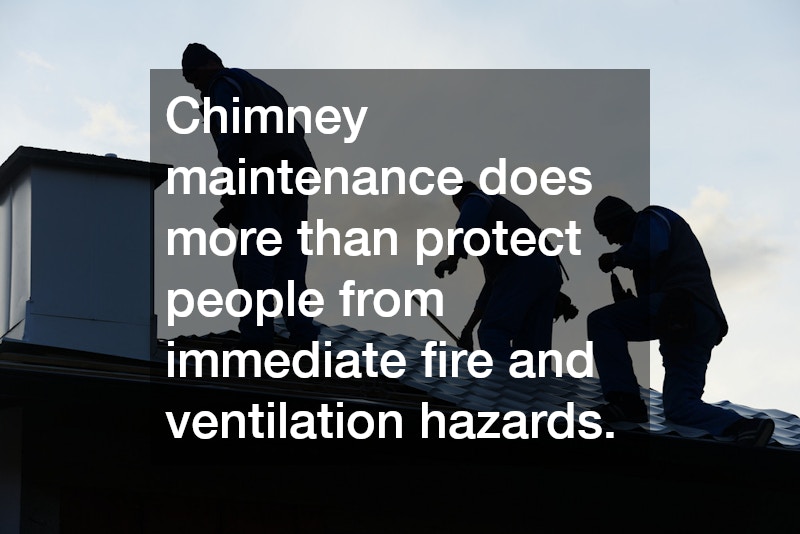
Chimney maintenance does more than protect people from immediate fire and ventilation hazards. It can also help protect the physical structure of the home. Masonry chimneys are exposed to rain, snow, temperature changes, and repeated heating and cooling cycles, all of which can contribute to deterioration over time.
Water infiltration is one of the most common concerns associated with aging chimney structures. Damaged mortar joints, cracked masonry, deteriorated flashing, or problems with the chimney cap can create pathways for moisture to enter. Once inside, water can damage surrounding materials and contribute to expensive repairs.
A professional chimney inspection can uncover these warning signs before moisture problems spread. Depending on the condition of the structure, recommended repairs may include masonry restoration, flashing repairs, waterproofing, or replacement of damaged components. Taking action early can help prevent a relatively minor issue from becoming a larger household repair project.
Professional maintenance can also help extend the functional life of the chimney and fireplace system. Keeping components clean, identifying damage, and addressing developing problems allows homeowners to make informed decisions about repairs and maintenance. This proactive approach supports a safer and more dependable fireplace while helping protect the surrounding areas of the home.
A chimney is a critical safety component whenever a household relies on a fireplace or other vented heating appliance. Routine inspections and cleaning can reduce fire hazards, support proper ventilation, and help identify structural concerns before they cause more extensive damage.
Working with a qualified chimney service gives homeowners a practical way to keep this often-overlooked part of the property in good condition. With regular professional attention, families can enjoy their fireplace with greater confidence while taking important steps to protect their home and household.