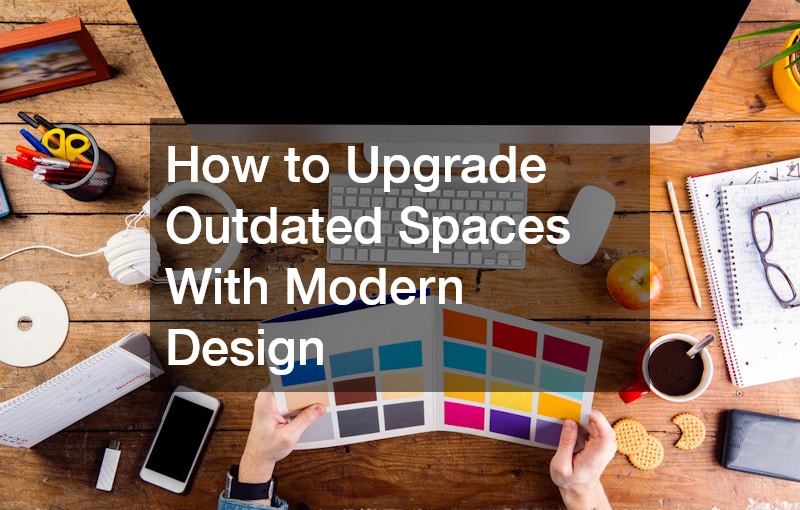
Outdated spaces can make a home feel smaller, darker, and less functional than it should be. Many homeowners live with old layouts, worn finishes, or inefficient designs longer than they need to. The good news is that modern design doesn’t require a full rebuild to make a strong impact. Small, intentional changes can shift how a space looks and feels almost immediately.
A thoughtful upgrade starts with understanding what no longer works. It could be poor lighting, limited storage, or a layout that interrupts daily routines. Once those issues are clear, the path forward becomes easier to map out. This guide walks through practical ways to update older spaces into something more comfortable, efficient, and visually current.
Start With a Clear Vision for Each Space

Every successful update begins with a plan. Without direction, projects tend to grow in cost and lose focus. A clear vision helps prioritize changes and avoid unnecessary work.
Start by walking through each room and asking a few direct questions:
- What feels outdated or inconvenient?
- How is the space used daily?
- What would improve comfort or efficiency?
Write down specific goals. For example, a kitchen may need better storage and brighter lighting, while a living room may need a more open layout.
Working with a local home remodeling contractor can help translate those ideas into a realistic plan. They often spot opportunities that homeowners miss, especially when it comes to layout improvements or structural adjustments.
For larger updates, many homeowners also explore home remodeling services that cover design, planning, and construction. This approach keeps the project organized and avoids delays caused by miscommunication.
Improve Layout for Better Flow
Older homes often have segmented layouts that don’t match modern lifestyles. Closed-off rooms can make the home feel cramped, even if the square footage is decent.
Opening up key areas can make a noticeable difference. This doesn’t always mean removing every wall. Sometimes widening a doorway or creating a partial opening is enough to improve flow.
Consider these layout updates:
- Combine kitchen and dining areas for better interaction
- Remove non-load-bearing walls to create open living spaces
- Reconfigure entryways to improve movement between rooms
In more complex cases, a home addition contractor may be involved to expand the footprint or adjust structural elements. This is especially helpful when the existing layout cannot support the desired changes.
For homes with outdoor potential, in porch contractors can help create a connected indoor-outdoor space. This adds usable square footage while keeping the design consistent with the rest of the home.
Update Lighting for a Modern Feel
Lighting is one of the fastest ways to transform a space. Many older homes rely on a single overhead fixture, which creates shadows and uneven brightness.
Modern design uses layered lighting:
- Ambient lighting for general illumination
- Task lighting for work areas
- Accent lighting to highlight features
Swapping outdated fixtures for clean, simple designs can instantly update a room. Recessed lighting, pendant lights, and under-cabinet lighting are common choices that improve both function and style.
Working with experienced lighting contractors helps ensure proper placement and wiring. They can also recommend energy-efficient options that reduce long-term costs.
In kitchens and bathrooms, lighting plays a key role in usability. That’s why professionals involved in kitchen remodeling often prioritize lighting early in the design process.
Refresh Surfaces and Materials
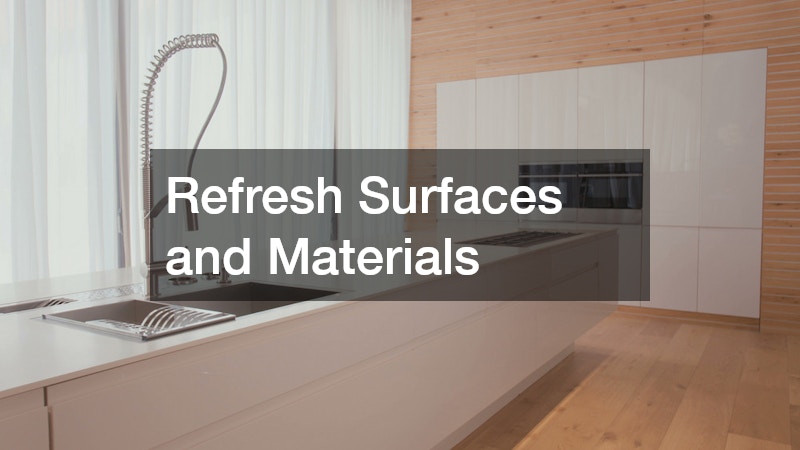
Worn surfaces can significantly detract from the appeal of even the most thoughtfully designed spaces, making them feel dated and less inviting. By updating key materials, homeowners can rejuvenate the look and feel of their environment without the need for a complete redesign.
To achieve the most impactful results, it’s essential to focus on high-traffic and visually prominent areas of the home. This includes:
- Flooring: Consider options like hardwood, luxury vinyl, or polished concrete that not only enhance aesthetics but also offer durability.
- Countertops: Swapping out old countertops for materials such as quartz, granite, or even sustainable options like recycled glass can provide a modern touch and improve functionality.
- Cabinet Finishes: Updating the finish or paint of cabinets can bring a fresh vibe. Matte and satin finishes tend to age well and maintain their appeal longer than high-gloss counterparts.
- Wall Textures: Adding texture through materials such as reclaimed wood, stone accents, or textured wallpaper can create focal points that enhance the overall ambiance of a room.
When it comes to color, neutral tones and natural materials are timeless choices that tend to remain stylish over time. Materials like wood and stone, combined with elegant matte finishes, establish a clean, contemporary aesthetic while avoiding a sterile atmosphere.
For homeowners considering larger projects, custom home remodels offer the opportunity to completely replace outdated materials with a cohesive design approach. This allows for a harmonious flow across multiple rooms, creating a visually pleasing and well-integrated living space.
Bathrooms also present a prime opportunity for transformative material updates. A knowledgeable bathroom remodeler can expertly replace features such as tile, fixtures, and vanities, significantly enhancing both the functionality and visual appeal of the space. Upgrades in this area can yield not only a more contemporary look but can also improve storage solutions and energy efficiency, making the bathroom more enjoyable and efficient for daily use.
Modernize the Kitchen for Daily Use
The kitchen is often considered the heart of the home, and upgrading this vital space can significantly enhance both functionality and aesthetic appeal, ultimately delivering strong value to the property. Many older kitchens fall short in terms of effective storage solutions, ample counter space, and efficient layouts, making them less user-friendly for daily cooking and entertaining.
To modernize a kitchen effectively, one should prioritize usability and convenience. For instance, replacing traditional lower cabinets with deep drawers can improve accessibility and organization, allowing for easy retrieval of pots, pans, and other kitchen essentials. Additionally, installing pull-out pantry systems can maximize storage space in otherwise underutilized areas, providing a more streamlined and efficient method for storing dry goods.
Increasing counter space is another critical upgrade that can transform the kitchen’s functionality. Homeowners might consider adding an island or a countertop extension, both of which not only offer additional prep space but also serve as a gathering spot for family and friends. The placement of such features should be carefully planned to support workflow, enhancing the efficiency of daily routines.
Collaborating with experienced kitchen designers can be invaluable in this process. These professionals can create a customized layout that caters to individual needs, focusing on optimizing workflow, maximizing storage capabilities, and strategically placing appliances for quick accessibility. A well-thought-out design can significantly improve the cooking experience and overall enjoyment of the space.
During a kitchen remodel, it’s common for homeowners to choose to update finishes, appliances, and lighting concurrently. This approach fosters a cohesive look throughout the entire area, eliminating the issue of mismatched elements that can disrupt the visual harmony of the kitchen. Selecting materials and styles that complement one another is key to achieving a seamless design.
Even smaller updates can yield impressive results when executed with care and consideration. For example, swapping out outdated hardware for modern knobs and handles or refreshing the backsplash tile can breathe new life into the kitchen. These thoughtful touches add character and style, making a noticeable difference in the space without the need for extensive renovations.
Upgrade Bathrooms for Comfort and Efficiency
Bathrooms in older homes often feel cramped or outdated. Limited storage, poor lighting, and worn fixtures are common issues.
Modern upgrades focus on comfort and simplicity:
- Replace bulky vanities with streamlined designs
- Install walk-in showers with clean lines
- Improve ventilation and lighting
A professional bathroom remodeler can help maximize space without expanding the room. They often suggest layouts that improve both movement and storage.
When part of larger home renovations, bathroom updates should match the overall design direction. Consistency in materials and finishes helps the entire home feel more connected.
Expand Usable Space Without Major Construction
Not every upgrade requires a full addition. Many homes have underused areas that can be improved with smart design.
Consider these options:
- Convert basements into living areas
- Finish attics for extra bedrooms or offices
- Enclose porches for year-round use
Screened in porch contractors can transform outdoor areas into functional spaces that blend with the home. This adds value without the cost of a full expansion.
For more significant changes, a home addition contractor may still be the right choice. They can extend living areas while maintaining structural integrity and design consistency.
The goal is to make better use of existing space before committing to large-scale construction.
Blend Indoor and Outdoor Living for Added Comfort

Modern design often extends beyond interior walls. Connecting indoor and outdoor areas can make a home feel larger and more inviting without a full expansion. It also creates flexible spaces for relaxing, entertaining, or working from home.
Simple upgrades can make a strong impact:
- Add large sliding or folding doors to open up living areas
- Use consistent flooring or color palettes between inside and outside
- Create covered spaces for year-round use
Working with screened in porch contractors can help turn an underused patio into a functional extension of the home. This kind of space offers protection from the weather while still bringing in fresh air and natural light.
For more extensive changes, a home addition contractor may help design a seamless transition between indoor and outdoor areas. This approach keeps the structure cohesive while adding practical square footage.
When done well, these updates improve daily comfort and give the home a more open, connected feel.
Focus on Storage and Organization
Clutter often makes a space feel outdated, even if the design is modern. Improving storage can change how a room functions and feels.
Smart storage solutions include:
- Built-in shelving
- Hidden storage in furniture
- Vertical storage to maximize wall space
During custom home remodels, storage is often integrated into the design from the start. This prevents the need for bulky furniture later.
Kitchen upgrades also benefit from better storage planning. Kitchen designers often recommend custom cabinetry solutions that improve organization without sacrificing style.
A well-organized space feels larger, cleaner, and more comfortable.
Incorporate Energy-Efficient Features
Modern design often includes energy efficiency as a key goal. Older homes tend to waste energy through outdated systems and materials.
Upgrades to consider:
- Energy-efficient windows
- Improved insulation
- LED lighting systems
- Smart thermostats
Lighting contractors can help install efficient systems that reduce energy use while improving brightness. This is a simple upgrade with long-term benefits.
Many home remodeling services now include energy assessments as part of the planning process. This helps homeowners identify where improvements will have the most impact.
Efficiency upgrades not only lower utility costs but also improve overall comfort.
Create a Cohesive Design Across the Home
One of the biggest challenges in updating older spaces is maintaining consistency. Mixing too many styles can make the home feel disjointed.
To create a cohesive look:
- Use a consistent color palette
- Repeat materials across different rooms
- Choose fixtures with similar finishes
During home renovations, it’s helpful to think about the home as a whole rather than focusing on one room at a time.
A local home remodeling contractor can guide these decisions, helping maintain balance across the project. They often coordinate different trades to keep everything aligned.
Consistency doesn’t mean everything has to match exactly. It simply means the spaces feel connected and intentional.
Work With the Right Professionals
Upgrading outdated spaces often requires a team of skilled professionals. Choosing the right people can make the process smoother and more efficient.
Depending on the scope, this may include:
- Contractors
- Designers
- Specialists for lighting, plumbing, or structural work
For larger updates, home remodeling services provide a coordinated approach that keeps the project on track. This reduces delays and improves communication.
When planning kitchens, kitchen designers play a key role in creating functional layouts. Their expertise helps avoid costly mistakes.
Bathrooms also benefit from specialized input. A bathroom remodeler can address both design and technical details, ensuring the space works as intended.
Transform Your Space: Embrace Thoughtful Updates for Lasting Impact
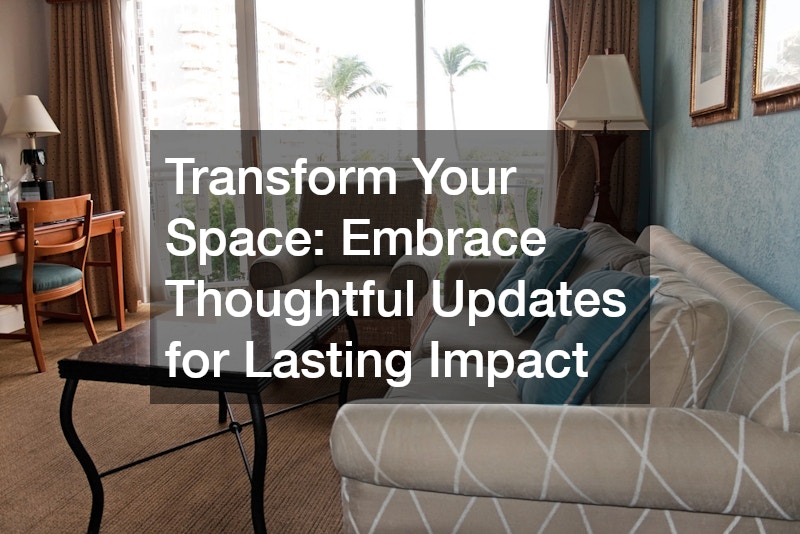
Updating outdated spaces doesn’t have to feel overwhelming. With a clear plan and the right approach, each improvement builds toward a more comfortable and functional home. Thoughtful changes to layout, lighting, materials, and storage can transform how a space looks and feels without unnecessary complexity.
The most effective upgrades focus on how the home is used every day. When design decisions support real routines, the results feel natural and long-lasting. Over time, even small updates can reshape an entire home into something that better fits your needs.