
Owning or managing a building is less about reacting to problems and more about anticipating them. Many costly repairs and disruptions happen not because issues are unavoidable, but because small warning signs were missed or misunderstood. When you know what to look for, when to act, and how to evaluate your options, you can make decisions that protect both your budget and your peace of mind.
Too often, maintenance decisions are driven by urgency rather than strategy. A leak becomes a crisis, a malfunction becomes an emergency, and costs escalate because there was no plan in place. Over time, this reactive approach creates frustration and makes it harder to prioritize improvements. By shifting your mindset toward prevention and informed planning, you gain more control over timelines, expenses, and outcomes.
This guide is designed to help you think more strategically about care, upgrades, and inspections across an entire property. Instead of focusing on emergencies, the goal is to help you build habits and systems that reduce surprises over time. You’ll learn how different parts of a property affect one another and why addressing small issues early often prevents larger, more expensive problems later.
Each section dives deep into a specific area where informed choices can make a measurable difference. Rather than offering surface-level advice, the focus is on practical decision-making, realistic expectations, and long-term value. By the end, you should feel more confident about  what deserves attention now, what can be planned for later, and how to approach property decisions with clarity instead of stress.
Creating a Preventive Care Schedule That Actually Works
A preventive care schedule only works if it reflects how a property is actually used, not how it looks on paper. Many owners make the mistake of copying a generic checklist without adapting it to climate, age of the structure, or occupancy patterns. A better approach is to break the building down into systems—exterior surfaces, mechanical components, structural elements, and drainage—and assign realistic inspection intervals to each. This makes it easier to spot gradual changes rather than sudden failures. Over time, patterns emerge that tell you which areas deserve more frequent attention.
Professionals who work with property maintenance companies often rely on this systems-based thinking to prioritize tasks and control costs. You don’t need a large portfolio to benefit from the same mindset. Start by tracking what needs attention repeatedly and what rarely causes trouble. When you document even minor repairs, you gain data that helps you predict future needs. This turns maintenance from an annoyance into a planning tool.
Before creating a schedule, it helps to understand what commonly gets overlooked:
- Exterior joints and seals that degrade quietly over time
- Mechanical components that function but operate less efficiently
- Drainage areas that only show problems during heavy weather
Once these items are on your radar, your schedule becomes more proactive instead of reactive. The result is fewer emergencies and more control over when and how money is spent.
Choosing Exterior Boundaries That Balance Security, Cost, and Longevity
Exterior boundaries do more than define space; they affect safety, privacy, and long-term upkeep. Many people focus on appearance first and discover later that their choice requires more maintenance than expected. The smarter approach is to start with function and environment. Wind exposure, moisture levels, and daily use all influence how well materials hold up. When these factors are considered early, replacements become less frequent.
Investing in custom fences can make sense when standard options don’t address a property’s specific needs. Customization allows for better alignment with terrain, drainage, and access points. It also gives you more control over materials and construction methods. While the upfront cost may be higher, the long-term value often comes from reduced repairs and better performance over time.
Before committing to any design, it’s useful to think through practical questions:
- How much ongoing maintenance will this require each year?
- Will repairs be simple or specialized?
- How easy is it to modify later if needs change?
Answering these questions early helps ensure that the boundary you install continues to serve you well, rather than becoming a recurring source of frustration.
Preventing Water Damage Before It Starts
Water is one of the most persistent threats to buildings because it often causes damage slowly and out of sight. By the time stains or cracks appear, the underlying issue may have existed for months or years. Preventing this kind of damage starts with understanding how water moves around your property during heavy rain. Observing flow patterns during storms can reveal problem areas that are invisible in dry conditions.
Regular storm drain cleaning plays a critical role in keeping water away from vulnerable areas. When drains clog, water looks for alternative paths, often toward foundations or interior spaces. Clearing these systems on a routine basis reduces pressure on other parts of the structure. It also helps prevent erosion that can undermine walkways and landscaping.
Practical ways to stay ahead of drainage issues include:
- Checking drain openings after major storms
- Removing debris before seasonal weather changes
- Documenting any recurring pooling or overflow
- Routinely inspect your property for signs of leaks, such as stains on walls, ceilings, or floors. Early detection is crucial for prevention.
- Ensure that the gutters and downspouts are clear of debris and direct water away from the foundation of the building.
- Check seals around windows and doors, and repair any cracks or gaps that could allow water to enter.
- The land around your home should slope away from the foundation to prevent water from pooling around the structure.
- In areas prone to flooding, a sump pump can help to keep basements dry by pumping out accumulated water.
- Appliances such as water heaters and washing machines should be maintained regularly to prevent leaks or bursts.
By taking proactive steps to identify and address potential issues, property owners can significantly reduce the risk of water damage. This protection not only preserves the physical structure but also safeguards the investment and well-being of everyone who resides or works within.
Knowing When Precision Measurements Are Worth the Investment

Assumptions about property boundaries and elevations can lead to costly disputes or construction mistakes. While many owners rely on existing records, these documents may be outdated or inaccurate. Precision measurements become especially important before making changes that affect neighboring properties or shared spaces. Even small discrepancies can create legal and logistical problems down the line.
Professional land surveying provides clarity when accuracy truly matters. Modern methods use advanced tools that deliver far more detail than older techniques. These surveys don’t just define boundaries; they also reveal slopes, easements, and potential obstacles. Having this information early allows projects to proceed with fewer surprises and fewer revisions.
Situations where accurate measurements are especially valuable include:
- Planning additions or new structures
- Resolving boundary disagreements
- Verifying compliance with local regulations
Treating precise measurement as an investment rather than a formality can save significant time, money, and stress later on.
Protecting Indoor Air Quality and Fire Safety in Older Structures
Older buildings often have hidden systems that require more attention than newer construction. One of the most overlooked areas is the pathway that vents smoke and gases out of the structure. Over time, residue accumulates and airflow becomes restricted, even if the system appears to be working. These changes can affect both safety and efficiency.
Scheduling a chimney sweep service is about more than cleanliness; it’s about prevention. Regular inspections identify cracks, blockages, and structural weaknesses before they turn into hazards. Even occasional use can lead to buildup that poses risks if ignored. Understanding how often cleaning is needed depends on usage patterns, fuel type, and the age of the system.
Homeowners should also be aware of warning signs such as unusual odors or poor draft performance. Addressing these early reduces the chance of emergencies and contributes to a healthier indoor environment.
Addressing Structural Problems Before They Multiply
Structural issues rarely resolve themselves, and waiting often makes them more expensive to fix. Small cracks or uneven surfaces may seem cosmetic at first, but they can signal deeper problems. Environmental factors such as soil movement and moisture levels can accelerate these issues. Early evaluation helps distinguish between minor settling and serious concerns.
When foundation repairs are needed, understanding the scope is critical. Some solutions address surface symptoms, while others stabilize underlying conditions. Knowing the difference helps you evaluate recommendations and avoid unnecessary work. Professional assessments typically look at both current damage and potential future movement.
Owners should document changes over time, including photos and measurements. This information provides valuable context and makes it easier to determine whether conditions are stable or worsening. Acting early often means simpler solutions and lower overall costs.
Planning Interior Updates Without Blowing the Budget
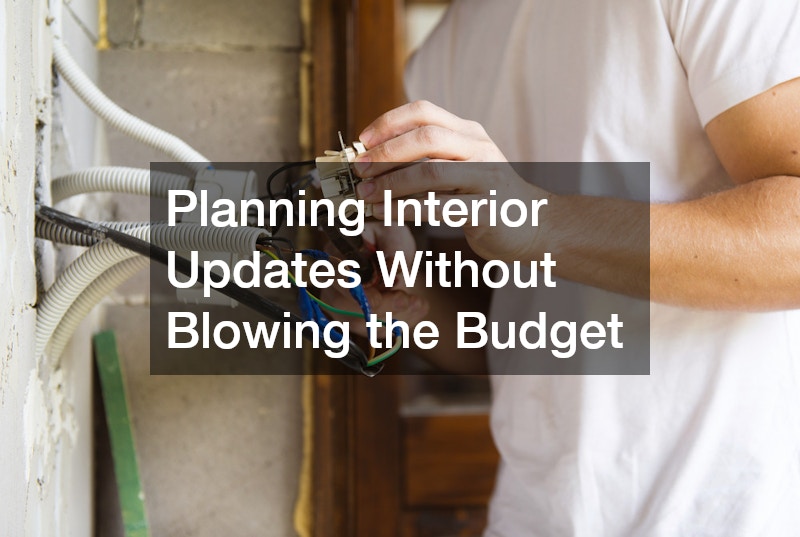
Interior updates can dramatically improve comfort and usability, but they also carry financial risk without proper planning. The key is to define goals clearly before any work begins. Whether the aim is better functionality or updated appearance, clarity prevents scope creep. A well-defined plan keeps decisions aligned with priorities.
A successful home remodel usually balances aesthetics with practicality. Materials should be chosen not only for looks but for durability and maintenance requirements. Sequencing work correctly also minimizes downtime and disruption. Breaking a large project into phases can make it more manageable financially and logistically.
Before starting, it helps to consider:
- Which improvements deliver the most daily value
- How changes affect existing systems
- What approvals or inspections are required
Thoughtful planning turns remodeling from a stressful event into a controlled, rewarding process.
Avoiding Emergency Failures in Critical Home Systems
Some systems are easy to forget about until they stop working entirely. Unfortunately, these failures often happen at the worst possible time. Preventive attention can significantly extend service life and improve efficiency. Knowing what normal operation looks like makes it easier to spot early warning signs.
Timely water heater repair can prevent sudden breakdowns and secondary damage. Sediment buildup, temperature fluctuations, and unusual noises are common indicators of developing issues. Addressing these promptly keeps the system running safely and reduces energy waste. Routine checks also help determine whether repair or replacement is the better option.
Keeping a simple maintenance log adds clarity to decision-making. Over time, patterns reveal whether problems are isolated or recurring, allowing for more informed choices about long-term solutions.
Clearing Hidden Blockages That Standard Methods Can’t Fix
Recurring clogs are often a symptom of deeper problems within a system. Temporary fixes may restore flow briefly, but they don’t address buildup along pipe walls. Understanding when basic methods are no longer sufficient is key to preventing backups. This is especially important in high-use environments.
Drain jetting is a highly effective method used for cleaning and unblocking drains. It involves the use of high-pressure water jets to clear stubborn debris, blockages, and other build-ups within pipes and drainage systems. The process is designed not only remove obstructions but also to restore the pipes to their full diameter, ensuring optimal water flow. Unlike mechanical methods, it cleans the entire interior surface of pipes. This makes it particularly effective for grease, mineral deposits, and roots. When used appropriately, it can significantly extend the life of existing plumbing.
Property owners should work with professionals who assess conditions first. Not every system is a candidate, and proper evaluation ensures the method is applied safely and effectively.
Restoring Surfaces Safely Without Causing Damage
Exterior surfaces are constantly exposed to the elements, leading to a gradual buildup of dirt and organic growth. While cleaning improves appearance, improper techniques can cause permanent damage. Matching the method to the material is essential. Overly aggressive approaches often do more harm than good.
A professional pressure washing service evaluates surfaces before applying any treatment. Different materials require different pressure levels and cleaning agents. When done correctly, cleaning restores appearance and slows deterioration. It also makes it easier to spot developing issues such as cracks or loose materials.
Scheduling exterior cleaning as part of routine care helps maintain curb appeal and protects long-term value. Consistent attention reduces the need for more invasive restoration later.
Caring for a property is an ongoing process that rewards foresight and consistency. By understanding how different systems interact and recognizing early warning signs, owners can make smarter decisions with fewer surprises. Thoughtful planning turns maintenance into a tool rather than a burden.
The strategies outlined in this guide emphasize prevention, informed evaluation, and deliberate timing. When these principles are applied consistently, they lead to safer spaces, lower long-term costs, and greater confidence in every decision.