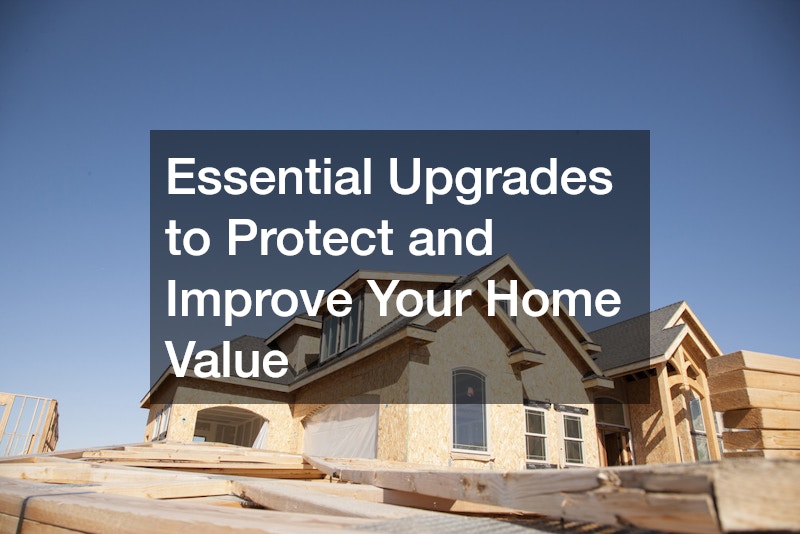
Maintaining a home requires balancing immediate comfort with long-term financial strategy. For most homeowners, a primary residence represents the single largest financial investment of their lifetime. However, property values do not simply appreciate on autopilot. Unseen moisture intrusion, outdated mechanical systems, and deferred maintenance can erode home equity far faster than market trends can build it up.
Protecting your equity requires moving from a reactive mindset—fixing things only after they break—to a proactive upgrade strategy. High-ROI home improvements focus heavily on the envelope and structural core of the house. By systematically upgrading your roof, drainage systems, outdoor footprint, plumbing networks, and climate control equipment, you protect your physical assets from catastrophic damage while significantly boosting market appeal.
Here is a comprehensive, deep-dive breakdown of the essential home upgrades designed to safeguard your structure, improve operational efficiency, and maximize long-term resale value.
Strengthening Your Roof and Upper Defense Line
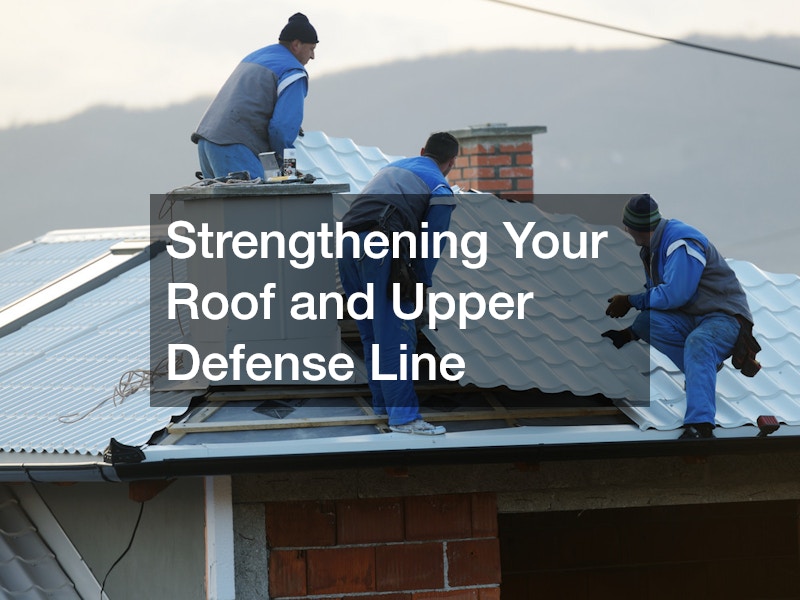
The roof is your home’s first line of defense against severe weather, extreme temperature fluctuations, and environmental debris. Even a minor breach in the roofing membrane can lead to rot, ruined insulation, mold growth, and compromised framing. Enhancing your upper defense line ensures that every layer beneath it remains dry and structurally sound.
Schedule Bi-Annual Inspections for Shingle and Structural Wear
Visual roof checks should occur twice a year—typically in spring and late autumn—alongside immediate checks following severe storms. Most structural damage begins subtly before manifesting as a visible ceiling stain inside your living room.
- Check Flashing Boundaries: Inspect metal flashing around chimneys, skylights, vent stacks, and roof valleys. Cracked sealant or rusted flashing is the primary cause of interior leaks.
- Identify Shingle Degradation: Look for curling edges, bald spots where protective mineral granules have washed away, and cracked or missing shingles.
- Examine Soffits and Fascia Boards: Ensure wooden soffits show no signs of rot or soft spots, which indicate trapped moisture and inadequate attic ventilation.
- Monitor Attic Air Flow: Look inside the attic for damp insulation, dark wood stains, or daylight shining through the roof deck. Proper airflow prevents ice dams in winter and heat buildup in summer.
Partnering with certified local roofers guarantees that subtle issues are caught early. Professionals can safely walk steep pitches, spot micro-fractures in underlayment materials, and perform targeted repairs before small structural issues turn into full roof replacements.
Upgrade to Heavy-Duty Roofing Materials for Extreme Weather
When it comes time to replace an aging roof, selecting high-performance materials adds substantial appraisal value and lowers insurance premiums. Modern roofing manufacturing offers choices far superior to traditional three-tab asphalt shingles. Architectural shingles, for example, offer a lifespan of 30 to 50 years and can withstand winds up to 130 mph, making them a great standard residential option. For areas prone to severe storms or heavy snow, standing seam metal roofing delivers exceptional durability, lasting 45 to 70 years while resisting winds up to 140 mph. If you are looking for a premium aesthetic, synthetic slate or tile can last anywhere from 50 to 100 years with high impact resistance.
If your home features low-slope sections, flat additions, or architectural features like covered patios, residential shingles may not provide adequate water shedding. Single-ply membranes like TPO or EPDM excel in these flat, low-slope applications because they withstand water pooling and offer a 20 to 30 year lifespan. In these cases, consulting a commercial roofer brings specialized expertise in installing commercial-grade materials that form a seamless, watertight barrier over flat areas, ensuring complete protection across complex roof designs.
Optimizing Water Flow and Preventing Foundation Erosion
Water is a property’s greatest enemy. When rain falls on your roof, it must be captured and directed safely away from your home’s foundation. Inadequate drainage leads to cracked footings, basement flooding, unstable soil, and rotting exterior siding.
Direct Water Away from Your Foundation with High-Capacity Gutters
Standard builder-grade rain channels often fail during downpours, causing water to spill directly down exterior walls. Upgrading your drainage infrastructure protects both your foundation footings and your exterior finishes.
- Size Up to 6-Inch Seamless Aluminum: Upgrade standard 5-inch channels to 6-inch seamless designs. Seamless channels handle nearly 40% more water volume and eliminate joints that leak over time.
- Optimize Downspout Placement: Ensure downspouts are installed every 30 to 40 feet of gutter run. Discharge points should extend at least 5 to 10 feet away from the home using underground pop-up emitters or splash blocks.
- Install Heavy-Duty Gutter Covers: High-grade micro-mesh guards prevent leaves, pine needles, and roof grit from clogging the system, ensuring continuous flow during sudden torrential rains.
Working with an experienced gutter contractor ensures that the pitch of your channel system is precisely calibrated. A slope of 1/4 inch for every 10 feet of run prevents water from pooling in the channels while ensuring high-velocity drainage during heavy storms.
Fix Sagging and Damaged Spouts Before Heavy Rains Hit
Even the best drainage systems degrade over time due to ice expansion, heavy debris loads, or loose mounting hardware. Regular maintenance prevents localized soil saturation around your home’s perimeter.
- Re-Anchor Loose Fasteners: Replace old spike-and-ferrule hangers with heavy-duty hidden screw brackets. Screw hangers bite deep into the fascia board, holding channels tight against the roofline.
- Seal Leaking Seams: Clean out old degraded caulking at end caps, drop outlets, and corner miters. Apply high-grade elastomeric sealant designed to expand and contract with changing temperatures.
- Correct Incorrect Pitching: Standing water in a channel indicates sagging. Unfasten the section, readjust the slope line using a level, and re-anchor it securely.
Carrying out timely gutter repair protects expensive landscaping, prevents perimeter soil erosion, and stops water from seeping into foundation footings where it can freeze, expand, and cause major structural cracking.
Protecting Property Integrity Through Outdoor Maintenance
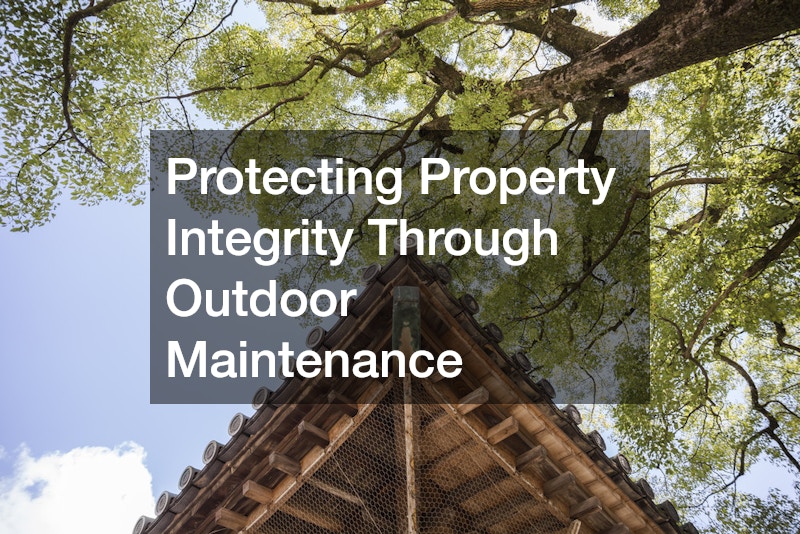
Your outdoor landscape contributes heavily to your property’s curb appeal and overall market value. However, unmanaged trees and poorly planned backyard features can pose severe physical threats to your structures and underground utilities.
Prune Overhanging Branches to Eliminate Storm Risks
Trees add maturity, shade, and natural beauty to a property, but overgrown canopies pose serious hazards during high-wind events. When branches extend directly over the home, they create a hazard zone where constant rubbing can strip protective granules off shingles and trap moisture that leads to wood rot. Overhanging limbs also risk contacting overhead power and utility lines during storms, causing structural breaches or power outages. A proactive canopy management strategy mitigates these dangers through professional crown reduction, targeted limb removal, and root barriers.
- Clear Roof Overhangs: Maintain at least 8 to 10 feet of clearance between tree branches and your roof surface. Rubbing branches strip granules off shingles, while shade keeps the roof damp, encouraging moss and algae growth.
- Remove Dead Wood and V-Shaped Crotches: Dead limbs can fall without warning. Trees with narrow V-shaped trunks are highly susceptible to splitting in half during heavy ice or windstorms.
- Protect Underground Pipelines: Keep invasive tree species (such as willows, poplars, and silver maples) far away from sewer main lines, septic fields, and water service pipes.
Investing in certified tree maintenance prevents costly storm-induced property damage. Professional arborists use targeted pruning methods—such as crown thinning and deadwooding—to reduce wind resistance through the canopy while preserving the long-term health of your trees.
Transform Your Yard with High-Value Outdoor Amenities
Outdoor living spaces have transformed from nice-to-have features into primary drivers of property valuation. Well-designed backyards function as seamless extensions of interior living space.
- Design Multi-Zone Hardscapes: Combine covered stone patios, built-in outdoor kitchens, and custom fire features to create year-round entertainment zones.
- Integrate Low-Voltage LED Lighting: Illuminate walkways, steps, and specimen trees to enhance security and highlight architectural features after dark.
- Add In-Ground Recreational Features: Custom installations provide unmatched luxury and personal enjoyment while elevating overall property appeal.
When designing major outdoor water amenities, partnering with a reputable custom pool builder ensures seamless integration with existing yard slopes and utility connections. High-end builds utilize energy-efficient variable-speed filtration, automated chemistry systems, and durable plaster or tile finishes that maintain visual appeal and performance for decades.
Modernizing Interior Plumbing Systems
Indoor plumbing is a core system that impacts daily comfort, water security, and home value. Aging pipes, undetected slow leaks, and inefficient fixtures waste money and threaten your interior finishes with severe water damage.
Replace Aging Pipe Networks to Prevent Silent Leaks
Many homes built before the 1990s still feature legacy plumbing materials like galvanized steel or polybutylene piping. These systems degrade over time from the inside out.
- Galvanized Steel Deterioration: Galvanized pipes corrode internally, building up mineral scale that restricts water flow, discolors water, and causes sudden pinhole leaks inside walls.
- Polybutylene Vulnerability: Polybutylene pipes react negatively to water treatment chemicals, causing the plastic to become brittle and burst without warning.
- PEX and Copper Upgrades: Replacing legacy piping with Cross-Linked Polyethylene (PEX) or Type L Copper guarantees steady water pressure, eliminates metallic taste, and provides decades of leak-free service.
Hiring licensed local plumbers allows you to assess the current state of your supply lines and drain systems. Professionals use video camera diagnostics to inspect underground line integrity, catch hidden interior leaks early, and perform code-compliant repiping projects.
Upgrade Low-Efficiency Fixtures for Better Utility Savings
Updating your interior water fixtures delivers an immediate aesthetic lift while reducing monthly water consumption. Legacy toilets, for instance, typically use between 3.5 and 5.0 gallons per flush, whereas modern WaterSense models use just 1.28 gallons, reducing water usage for toilets by up to 75%. Similarly, older bathroom faucets run at 2.2 gallons per minute, but upgrading to a modern eco-friendly flow rate of 1.2 gallons per minute yields a 45% reduction in water usage.
Securing Water Supply and Enhancing HVAC Performance
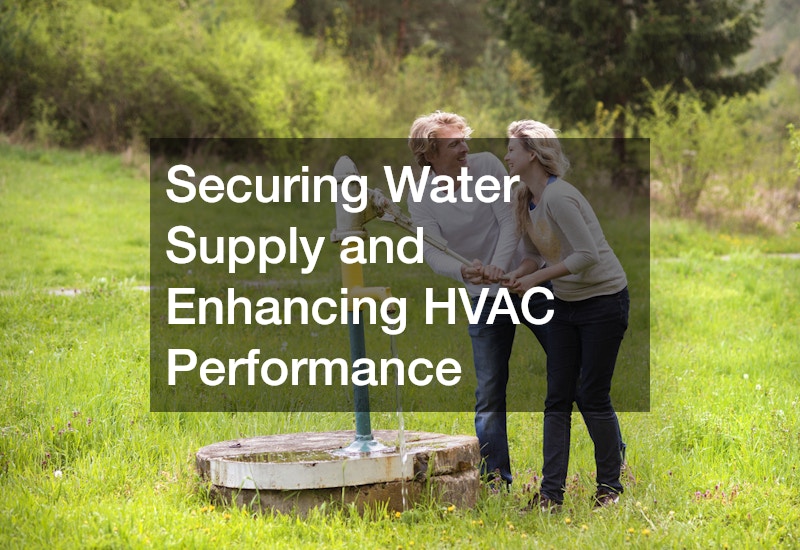
Mechanical systems provide the climate control and clean water delivery that make a home liveable. Modernizing these behind-the-scenes assets reduces energy costs, improves indoor air quality, and protects home comfort.
Ensure Consistent Well and Pressure Performance
Properties that rely on private well systems require targeted upgrades to maintain water pressure, water purity, and system longevity. A well setup requires mechanical maintenance just like any other engine or appliance.
- Test Pressure Tank Calibration: The pressure tank keeps water moving through your home without forcing the main pump to switch on every time a tap opens. Check the internal air bladder annually to prevent short-cycling.
- Upgrade Water Filtration and Softening: Hard water minerals cause scale buildup inside pipes, water heaters, and appliances. Installing a whole-home filtration and water-softening system extends appliance life significantly.
- Inspect Well Heads and Seals: Ensure the well casing sits at least 12 inches above ground grade and that the sanitary seal remains intact to prevent surface runoff from contaminating your drinking water.
For support, call a local water pump service for help.
Optimize Indoor Air Quality and Thermal Comfort
Heating and cooling account for more than half of a standard home’s energy consumption. Upgrading your climate control system improves indoor comfort while dramatically dropping monthly utility overhead. Optimizing this system requires a balanced approach between air delivery and air return. On the delivery side, conditioned supply air travels through a fully sealed, mastic-treated duct network, preventing heat loss and ensuring energy efficiency. On the return side, indoor air passes through high-MERV filtration media before recirculating, capturing allergens and dust to deliver clean, highly conditioned air throughout every room.
- Upgrade to Variable-Speed Heat Pumps: Modern inverter-driven heat pumps adjust their output dynamically, using up to 50% less energy than older single-stage systems while keeping indoor temperatures stable.
- Install Smart Programmable Thermostats: Smart thermostats learn your family’s routines, adjust temperatures automatically when you are away, and provide detailed energy usage analytics.
- Seal and Insulate Air Ducts: Leaky ductwork allows up to 30% of conditioned air to escape into attics and crawlspaces. Sealing duct joints with mastic paste keeps air moving into your living spaces.
Call a local air conditioning service for professional support.
Upgrading and Protecting Your Home
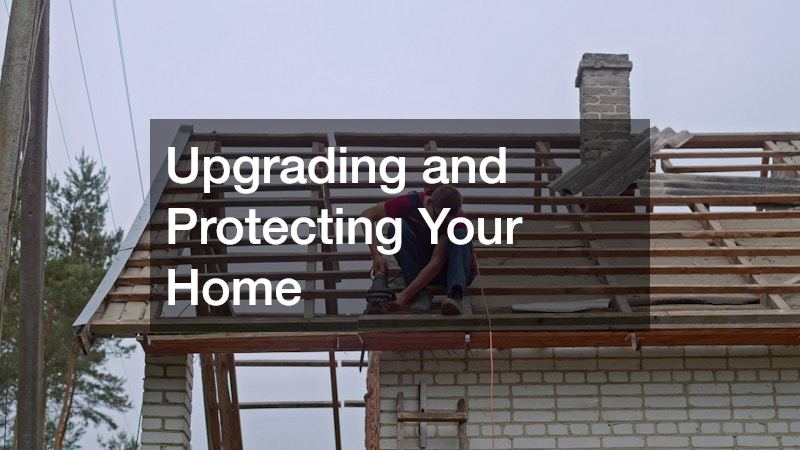
Maximizing home value is not about executing quick cosmetic cover-ups right before putting a house on the market. True property value is built from the ground up through consistent, strategic investments in your home’s structural and mechanical systems.
By prioritizing roof preservation, efficient site drainage, healthy tree management, modernized plumbing networks, and high-efficiency climate systems, you create a safe, efficient home. These upgrades protect your equity against weather and wear, keeping your property reliable, comfortable, and valuable for years to come.