Roofing maintenance is an important consideration for residential renovators who want to preserve the condition, appearance, and function of a home throughout a renovation project. While interior improvements often receive the most attention, the roof protects nearly every other part of the property from weather exposure. A roof that has been neglected can introduce moisture, structural concerns, insulation problems, and additional repair needs that may interfere with renovation plans. For residential renovators, identifying roofing concerns early can make it easier to coordinate improvements and avoid unexpected complications. Routine maintenance can involve everything from checking for visible damage to evaluating underlying roofing materials and addressing areas affected by moisture or corrosion. Depending on the roof’s construction and age, maintenance may also involve specialized materials such as roof metal decking or protective treatments designed to reduce deterioration. Residential renovators may work with roofing companies, independent roofers, or other qualified professionals to evaluate these conditions and determine what work is appropriate. Understanding common roofing problems, maintenance practices, material considerations, and professional services can help homeowners make informed decisions. Whether a property needs minor roof repair or broader maintenance, a proactive approach can help protect the roofing system while supporting the property’s long-term condition.
What Are the Common Signs That Your Roof Needs Repair?
Roofing problems do not always begin with a dramatic leak or obvious structural failure. In many cases, smaller signs of deterioration develop gradually and may be easier to overlook during a renovation. A good residential roofer will pay attention to changes in the roof’s appearance and the condition of ceilings, walls, and other areas inside the home. Identifying these warning signs early can provide an opportunity to investigate the underlying cause before the problem affects additional materials.
Visible Damage and Wear
Visible deterioration is one of the simplest ways to recognize that a roof may require attention. Missing, cracked, curled, or damaged shingles can leave portions of the roof more exposed to rain, wind, sunlight, and temperature changes. Residential renovators should also look for damaged flashing around areas such as chimneys, vents, skylights, and roof edges. These components help direct water away from vulnerable points, so deterioration can contribute to moisture intrusion. Other signs can include sagging areas, exposed underlayment, loose roofing materials, damaged seals, or excessive granule accumulation in gutters. The age of the roofing system can also provide useful context, particularly when visible wear appears across multiple areas rather than in one isolated location. A professional evaluation can help determine whether the issue calls for localized roof repair, broader maintenance, or replacement of deteriorated materials. The surrounding environment can also influence how quickly roofing materials show signs of wear. Heavy rainfall, strong winds, falling branches, repeated temperature fluctuations, and prolonged sunlight exposure can all contribute to deterioration. Residential renovators working on older properties may therefore want to inspect the roof before beginning other major improvements. Addressing exterior concerns early can make it easier to coordinate roofing work with other renovation activities.
Water Leaks and Stains
Water intrusion is another important indication that a roof may need attention. Interior stains on ceilings or walls can sometimes indicate that water has entered through the roofing system, although the visible stain does not necessarily identify the exact source. Moisture can travel along framing, insulation, and other building materials before becoming noticeable inside the home. Residential renovators should therefore treat unexplained discoloration, dampness, or recurring stains as reasons to investigate rather than simply repainting the affected surface. Other potential indicators include peeling paint, warped materials, musty odors, or damp insulation near the roofline. These conditions may become more noticeable following heavy rain or snow, but some leaks can occur intermittently and remain difficult to identify from inside the property. A professional roofer can examine exterior surfaces and related components to determine where water may be entering and whether damaged materials require replacement. Prompt attention is especially useful when a renovation is already underway. Concealing a moisture problem behind newly installed finishes can make future repairs more disruptive. Residential renovators may benefit from resolving suspected leaks before completing ceilings, walls, insulation, or other interior work. A documented inspection can also help homeowners understand which areas need attention and which existing materials remain suitable for continued use.
How Does Roof Metal Decking Impact Longevity?
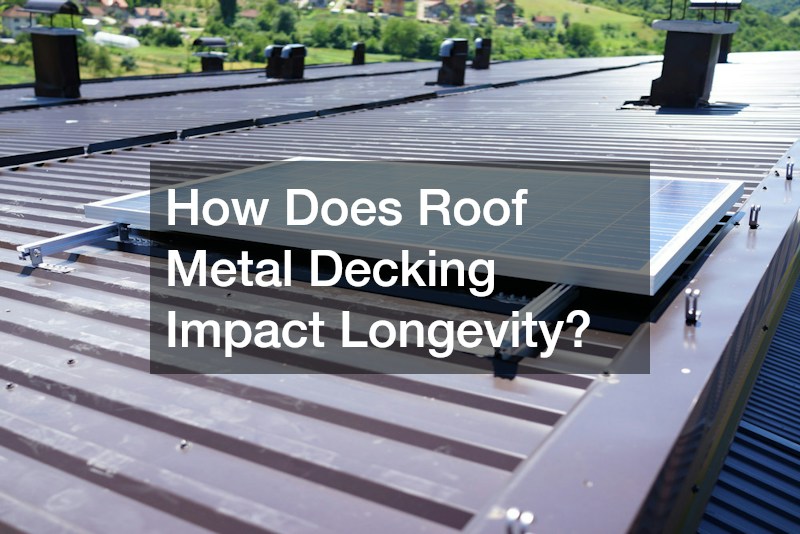
The materials beneath or supporting a roofing system can have a substantial effect on its overall performance. Roof metal decking is used in certain roofing assemblies as a structural component that supports other layers of the system. Its condition can become particularly relevant during renovation or replacement work because deterioration underneath the visible roofing materials may not be apparent from ground level. Residential renovators should understand how the decking fits into the overall roofing assembly before making decisions about repairs or upgrades. Metal decking can provide a durable foundation when properly selected, installed, and maintained. However, its performance depends on factors such as exposure to moisture, connections between components, compatibility with the roofing assembly, and the condition of protective finishes. Evaluating these considerations can help homeowners understand whether existing decking can remain in place or whether portions of the system require attention.
Benefits of Metal Decking for Homeowners
One advantage of metal decking is its ability to provide structural support within an appropriate roofing assembly. Compared with some other materials, properly maintained metal components can offer durability over an extended period. The specific benefits depend on the type of metal, thickness, protective coating, design of the roof, and environmental conditions surrounding the property. For residential renovators, the condition of existing decking can become particularly important when older roofing materials are removed. Once the surface layers are exposed, contractors can evaluate whether the decking appears sound or whether corrosion, deformation, or other deterioration is present. This assessment can help determine what work should be completed before new roofing materials are installed. Metal decking can also provide a consistent surface for compatible roofing components when installed according to the requirements of the specific system. Properly maintained structural materials can support the roof assembly while reducing the likelihood that hidden deterioration will interfere with future maintenance. Residential renovators may therefore want to include the decking in a broader evaluation rather than focusing solely on the visible exterior surface.
Installation Best Practices
Proper installation is essential for achieving the intended performance of roof metal decking. Installation practices can vary according to the type of decking, roof design, structural requirements, and other components involved in the assembly. Qualified roofing contractors should evaluate the existing structure and follow applicable installation requirements when replacing or installing decking. Attention to connections and alignment is important because improperly installed components can affect the performance of the roofing system. Contractors should also account for areas where moisture could reach metal surfaces. Gaps, damaged protective finishes, or other installation problems can create opportunities for corrosion over time. Residential renovators should discuss these considerations with the professional handling the project rather than assuming that new decking automatically eliminates future maintenance concerns. The surrounding roofing materials also need to work appropriately with the decking. Flashing, insulation, membranes, fasteners, and drainage components can all influence how moisture moves through or away from the roof assembly. A complete installation considers these relationships rather than treating the decking as an isolated component. Careful preparation can help create a roofing system that is easier to maintain after the renovation is complete.
Why Is Rust Proofing Essential for Roofs?
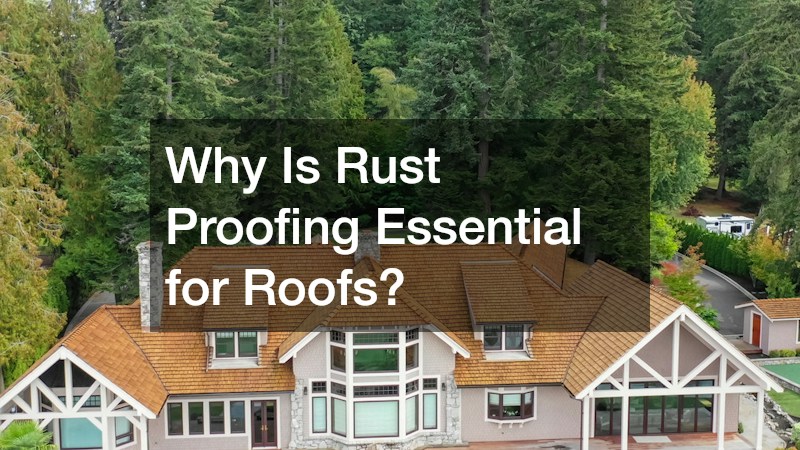
Moisture and metal roofing components require particular attention because corrosion can gradually weaken exposed surfaces and affect the useful life of roofing materials. Rust proofing is one approach that may be considered when a roofing system contains metal components susceptible to corrosion. Residential renovators should understand that corrosion prevention involves more than simply applying a coating after rust has appeared. The condition of the underlying material, the source of moisture, and the type of protective treatment all matter. The need for corrosion protection depends on the materials used and the environment surrounding the property. Areas exposed to frequent moisture, condensation, standing water, or pollutants may experience different conditions from those in comparatively dry environments. Evaluating the specific roofing assembly can help determine whether protective measures are appropriate and what preparation may be required.
Causes of Rust on Rooftops
Rust develops when susceptible metal is exposed to moisture and oxygen over time. Roofing components can encounter these conditions through rainfall, condensation, humidity, damaged coatings, poor drainage, or contact with water that remains on the surface. Small scratches or exposed sections can become vulnerable points where corrosion begins. Once deterioration develops, surrounding areas may also require closer inspection. Drainage problems can contribute to corrosion because water that remains against metal surfaces for extended periods creates favorable conditions for deterioration. Clogged gutters, blocked drainage paths, poorly directed runoff, and areas where water collects can therefore deserve attention during routine maintenance. Residential renovators should also consider whether nearby roofing components are directing water toward metal surfaces rather than away from them. Environmental exposure can contribute as well. Coastal air, industrial pollutants, repeated freeze-and-thaw cycles, and high humidity can affect certain metal roofing components. The precise impact depends on the material and protective finish.
Rust Proofing Solutions
Rust proofing can involve protective coatings, surface preparation, replacement of severely deteriorated components, and measures intended to reduce continued moisture exposure. The appropriate approach depends on the condition and type of metal involved. Surface preparation is especially important because coatings applied over loose rust, contaminants, or poorly prepared surfaces may not provide the intended protection. Professionals may first remove loose corrosion and prepare the affected surface before applying a compatible protective product. In some cases, however, corrosion may have progressed far enough that replacement is more appropriate than coating. Residential renovators should have the affected components evaluated so that cosmetic treatment does not conceal a more substantial deterioration problem. Preventive maintenance also plays a role in reducing future corrosion. Keeping drainage pathways clear, addressing damaged coatings, and correcting sources of recurring moisture can help limit conditions that contribute to rust. Combining appropriate protective measures with routine inspections may help homeowners maintain metal roofing components over time. When corrosion is part of a larger roofing concern, a roofing contractor can evaluate the affected areas alongside the rest of the roof system.
How To Choose The Right Roofing Company?

Selecting a service provider is an important part of any roofing maintenance or renovation project. Residential renovators may encounter roofing companies with different levels of experience, areas of specialization, and approaches to inspections and repairs. Comparing providers based on relevant qualifications and the scope of work they can perform can help homeowners understand what they are actually hiring a professional to do. A roofing project can involve more than replacing visible materials. Depending on the condition of the property, the work may involve decking, flashing, drainage, ventilation, moisture intrusion, or other components. Residential renovators should therefore look for a provider capable of evaluating the complete roofing system rather than focusing only on the most obvious surface problem.
Factors to Consider When Selecting a Roofing Company
Experience is one factor homeowners may consider when comparing providers, particularly when a project involves an older or unusual roofing system. Residential renovators can ask how long a company has performed the type of work required and whether its team has experience with the materials present on the property. Licensing and insurance requirements can vary by jurisdiction, so homeowners should also verify the credentials applicable to their location. A company’s communication practices can be equally important. Before work begins, homeowners should understand what will be inspected, what work is proposed, what materials are expected to be used, and how changes to the original scope will be handled. Written documentation can make it easier to compare proposals and understand which services are included. Reviews and references can provide additional information about previous customer experiences, although they should be considered alongside other factors rather than in isolation. Residential renovators can also examine whether the company clearly explains its recommendations and responds directly to questions.
Questions to Ask Your Roofing Contractor
Before hiring a roofing contractor, homeowners can ask about the condition of the existing roof, the source of any identified problems, and the specific work being recommended. Questions about materials, preparation, expected project duration, cleanup, and how unexpected conditions will be handled can also clarify the scope. If decking or corrosion is involved, homeowners may want to ask how those components will be evaluated before the final roofing materials are installed. It can also be useful to ask whether the contractor expects any work beyond the immediately visible damage. For example, a small leak may involve damaged flashing or underlying materials that cannot be fully evaluated from the ground. Residential renovators can ask what circumstances would cause the scope to change and how those changes would be communicated. Homeowners should also request information about applicable warranties and what they cover.