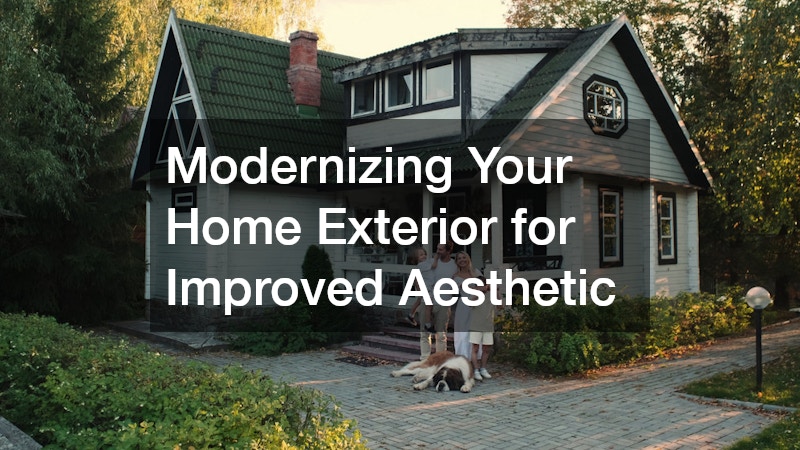
Your home is not only a sanctuary inside; it is a statement outside. The exterior serves as a visual introduction to your personal style and attention to detail before guests enter. Architectural trends change, and materials weather, making vibrant homes appear outdated. Modernizing isn’t just about curb appeal for sale; it’s an investment in your living experience and alignment with modern design principles. Achieving a modern look involves balancing form and function, moving away from ornate, high-maintenance elements to embrace clean lines, intentional colors, and durable materials. By treating each exterior zone as an ecosystem, you can craft a cohesive, intentional facade.
Groundwork: Enhancing Hardscapes and Structural Boundaries
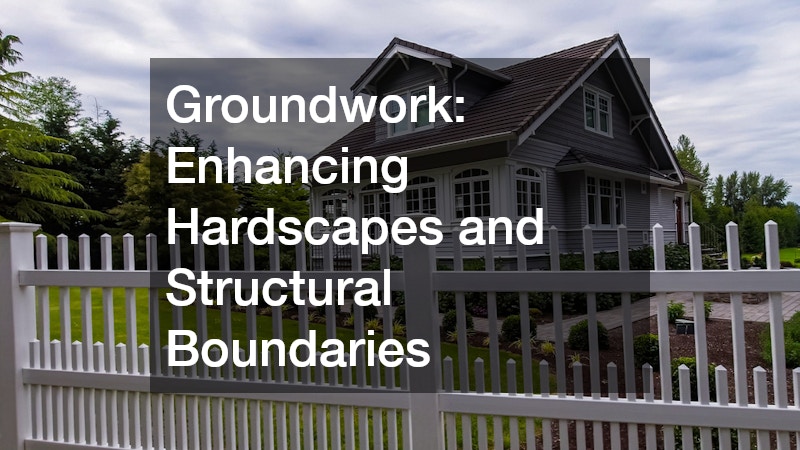
The foundation of modern curb appeal rests on the hardscape elements that define your property lines and pathways. Flatwork and fencing act as the frame of your visual canvas. When driveways are cracked, walkways are uneven, or boundary lines look weathered, they instantly distract from even the most beautiful architecture. Modernizing these elements requires focusing on geometric precision, clean transitions, and materials that offer longevity with minimal upkeep.
To bring your property boundaries into the current design era, look toward crisp, uniform systems that require zero painting or staining. Traditional wood fences often warp, split, and fade into a chaotic gray tone within a few seasons. Replacing them with high-grade vinyl fencing provides a sharp, continuous barrier that anchors the perimeter of your yard. Opt for styles featuring wide, horizontal slates or solid tongue-and-groove panels in clean matte white, charcoal gray, or deep black to establish a striking, minimalist backdrop for your landscaping.
Simultaneously, the surfaces underfoot must be addressed with equal precision. Driveways and primary walking paths should be viewed as architectural features rather than mere utility zones. Engaging local concrete services allows you to replace aggregate or degrading asphalt with poured-in-place architectural concrete. Consider specifying large-format geometric paving pads separated by narrow gaps of turf or river stone, or a sleek, broom-finished light gray concrete bordered by dark brick pavers. These choices introduce clean lines that draw the eye naturally toward your entryway.
- Opt for large-scale formats: Larger concrete pavers or continuous poured sections reduce the visual clutter of excessive seam lines, creating a more expansive feel.
- Embrace monochromatic boundary tones: Choosing dark charcoal or crisp white for your perimeter boundaries helps frame your green spaces, making lawn colors pop.
- Prioritize structural longevity: Modern hardscaping depends on flawless grading and sub-base preparation to prevent future shifting, cracking, or water pooling.
- Integrate hidden transitions: Ensure that where your driveway meets the public sidewalk or your private walkway, the transitions are flush and seamless to maximize safety and visual flow.
The Canvas: Refreshing Siding, Trim, and Accent Colors
Once the physical boundaries and pathways are set, turn your attention to the largest visual component of your home: the walls. Siding and trim dictate the overall mood of the property. A modern aesthetic heavily favors high-contrast palettes, monochromatic schemes, or the careful blending of industrial materials with warm, natural textures. If your budget does not allow for a total siding replacement, strategic coatings can completely reinvent your home’s silhouette.
Executing a high-end exterior painting project is the most cost-effective way to achieve a dramatic structural shift. For a contemporary look, move away from muddy beige or washed-out pastels. Instead, lean toward deep, saturated hues like iron ore, obsidian, or profound navy paired with crisp, stark white trim. Alternatively, the “white farmhouse” aesthetic utilizes a brilliant off-white body accented by matte black window frames and trim pieces. The key to making these colors work is precision; every line must be laser-sharp, and the sheen must be chosen carefully, prioritizing flat or satin finishes for the body to hide imperfections, while reserving semi-gloss strictly for doors and trim windows.
When updating the canvas, also look for opportunities to break up large, monotonous walls with accent materials. Incorporating sections of natural wood siding, such as cedar or ipé, introduces organic warmth that prevents a modern color palette from feeling sterile or clinical.
- Focus heavily on surface preparation: Modern dark paints absorb significant heat; the underlying siding must be thoroughly scraped, sanded, power-washed, and primed to prevent blistering or peeling down the road.
- Highlight your architectural focal points: Use your accent colors to draw attention to unique elements like a prominent gable, an asymmetric entryway, or cantilevered structural sections.
- Upgrade your window trim profile: Consider wrapping windows in simple, square-edged trim profiles rather than traditional crown moldings to reinforce the minimalist theme.
- Coordinate utility fixtures: Do not let bright white plastic utility boxes or silver conduits ruin your fresh paint; coat these elements in the exact same color as the body of the house to make them disappear.
Functional Architecture: Managing Water and Weather with Style

A brilliant design can be utterly ruined if it does not handle the elements gracefully. Water management and sun protection are often treated as afterthoughts, resulting in clunky gutter systems or cheap, mismatched patio umbrellas that clutter the visual landscape. True modern design integrates these functional requirements into the architecture itself, rendering them either invisible or intentionally stylish.
Traditional gutters are pieced together in sections, leading to visible seams that catch debris and eventually sag, leaking water down your fresh siding. Upgrading to a custom seamless gutter system completely eliminates these issues. These systems are fabricated on-site from a single continuous coil of aluminum or copper, perfectly matching the exact dimensions of your roofline. By selecting a box-style profile in a dark color that matches your trim or fascia boards, the drainage system transforms from an eyesore into a sharp, defining shadow line that accentuates the roof’s edge.
To tackle sun and rain protection over windows, doors, or small patios, look toward engineered shade solutions. Working with premium awning companies allows you to install sleek, retractable fabric systems or stationary metal structures that provide relief from heat without adding bulk. Modern awnings feature low-profile cassettes that mount flush against the exterior wall, concealing the fabric entirely when closed. When extended, they utilize clean, straight arms and high-performance, solid-colored acrylic fabrics that complement your primary exterior paint scheme.
- Specify oversized downspouts: Pair your clean roofline drainage with square, commercial-grade downspouts to handle heavy downpours efficiently while maintaining a bold, architectural appearance.
- Consider rain chains: In architectural focal areas, replace traditional vertical downspouts with minimalist copper or stainless steel rain chains that turn water drainage into a soothing auditory and visual feature.
- Invest in motorized shade controls: Modern shading systems can be equipped with wind and sun sensors that automatically deploy or retract the structure based on real-time weather conditions.
- Choose high-performance fabrics: Look for solution-dyed textiles that resist fading, UV degradation, and mold growth, ensuring your outdoor shades look pristine for years.
Transition Zones: Elevating Porches, Patios, and Garages
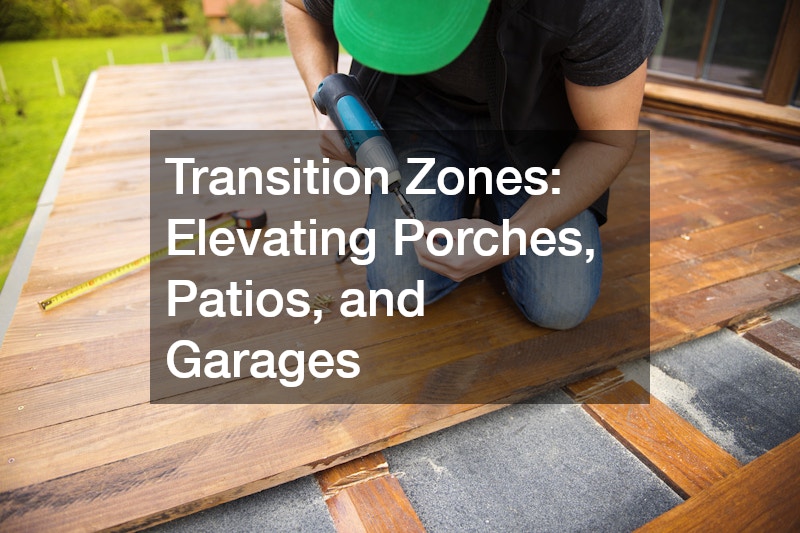
The spaces where your indoor life meets the outdoors—such as porches, backyard patios, and garages—are critical transition zones. In older homes, these spaces are frequently neglected, treated as secondary utility areas or left as raw concrete slabs. Modernizing these zones involves extending the luxury, cleanliness, and comfort of your interior spaces outward, creating a continuous living experience.
Let us start with the garage, which often occupies up to one-third of a home’s front facade. Beyond installing a modern garage door with vertical glass inserts, the interior floor should be treated to match the clean aesthetic. Applying professional epoxy floors to the concrete slab creates a brilliant, showroom-grade finish that resists automotive fluids, impacts, and hot-tire pickup. Opt for a solid gray base with minimal decorative metallic flakes, or a sleek quartz broadcast system. When the garage door opens, a clean, polished floor signals an immense level of care and modern sophistication to the neighborhood.
In the backyard, the transition should feel like a natural extension of your flooring. Building expansive decks using composite wood materials or hidden-fastener natural hardwoods establishes a level platform for entertaining. Modern decking trends focus on low-profile, multi-tiered layouts that sit close to the grade of the yard, avoiding bulky railings whenever possible. If railings are legally required due to height, swap out traditional chunky wood balusters for ultra-thin cable rails or tempered glass panels to preserve unobstructed views of your landscape.
- Create flush transitions: Aim to align the height of your outdoor platform as closely as possible with your interior floor level to make stepping outside feel completely effortless.
- Integrate built-in features: Design your outdoor platforms with integrated perimeter bench seating, hidden storage boxes, or recessed planters to keep the space organized.
- Protect raw concrete surfaces: Ensure any remaining exposed concrete slabs are ground down, repaired, and sealed with a matte, UV-stable topcoat to prevent yellowing or moisture cracking.
- Utilize wide plank profiles: Selecting wider planks for your outdoor platforms mimics luxury indoor hardwood flooring trends, instantly elevating the perceived value of the space.
The Finishing Touches: Styling Outdoor Living Rooms and Lighting
With the structural, water-management, and surface updates complete, you can begin layer-styling the exterior. This is where you inject personality and transform a beautifully painted house into a welcoming, usable home. The secret lies in treating your outdoor spaces with the exact same design discipline you would apply to an interior living room or formal entryway.
First, banish cheap, flimsy plastic lawn chairs. Instead, visit a high-end furniture store specializing in contemporary outdoor collections. Look for modular sectional sofas built from weather-resistant teak, powder-coated aluminum, or synthetic all-weather wicker. The silhouettes should be low-profile and squared off, featuring deep cushions upholstered in neutral, marine-grade fabrics like canvas beige, heather gray, or charcoal. Arrange these pieces around a central focal point, such as a minimalist concrete fire table, to create an undeniable destination for evening relaxation.
As the sun sets, the true magic of your modernization project comes alive through a professional lighting installation. Avoid blinding, high-glare floodlights that cast harsh shadows. Instead, map out a low-voltage LED lighting scheme that emphasizes depth and texture. Utilize sub-surface step lights for safety, subtle uplighting positioned at the base of architectural trees, and wash lighting to gently illuminate the texture of your siding or masonry work. Keeping the color temperature warm, ideally around 2700 Kelvin, creates an inviting, resort-like ambiance.
- Layer your outdoor illumination: Combine task lighting over cooking zones, ambient lighting along pathways, and accent lighting on architectural features to create visual balance.
- Incorporate indoor-outdoor textiles: Layer your furniture sets with weather-resistant throw pillows, heavy-weave blankets, and outdoor rugs to soften the hard edges of the architecture.
- Conceal your power sources: Ensure all lighting wires, transformers, and outdoor outlets are hidden behind trim boards or buried safely underground to keep the sightlines clean.
- Invest in smart automation: Connect your exterior lights to a smart hub that adjusts dimming levels automatically based on the astronomical clock, ensuring perfect lighting from dusk until dawn.
Sustainable Ecosystems: Smart Landscaping and Irrigation

The final piece of the modern exterior puzzle is the living environment surrounding your home. A modern landscape avoids overgrown, chaotic flower beds and messy, high-maintenance lawns. Instead, contemporary landscaping relies on structural planting, clear geometric separation of zones, and high-efficiency management systems that keep the property looking pristine without demanding hours of manual labor every weekend.
A modern yard embraces clean lines by separating lawns from garden beds using sharp steel or concrete edging. Fill these beds with architectural plants—such as ornamental grasses, structural agave, or neatly sculpted boxwoods—arranged in repeating, geometric patterns. To maintain this clean look effortlessly, a fully automated irrigation system is essential. Modern systems utilize subsurface drip lines that deliver water directly to the root zones of your plants, eliminating overspray onto your freshly painted siding or hardscapes. Furthermore, smart wifi-enabled controllers analyze real-time weather data to skip watering cycles during rainy periods, saving money and preserving precious resources.
- Group plants by water needs: Implement hydrozoning by placing plants with similar hydration requirements on the same watering loops to maximize growth efficiency.
- Utilize dark, uniform mulches: Cover garden beds with rich black or deep brown wood mulch, or dark lava rock, to create a stark contrast against bright green foliage.
- Embrace xeriscaping principles: Incorporate native, drought-tolerant plants and decorative stone beds to reduce dependency on constant watering while establishing a regional aesthetic.
- Keep paths clear of growth: Ensure ground coverings are regularly edged and pruned back from walking paths to preserve the sharp, geometric lines of your hardscaping.
Modernizing your home’s exterior is a transformation of how your property interacts with its surroundings. By addressing every element—from the precision of driveways and fences to the lines of siding and drainage systems—you eliminate visual chaos. Elevating transition zones with durable finishes and enhancing living spaces with upscale furnishings and lighting creates an environment that is captivating and functional. These updates not only protect your asset but also create harmony and refinement when you enter your driveway. Focusing on quality materials, smart technology, and clean lines ensures your home remains a timeless, beautiful sanctuary admired by your community for decades.