
Executing a full-scale kitchen transformation is widely recognized as one of the most impactful home improvement investments a property owner can make. As the central heart of the modern home, the kitchen serves simultaneously as an everyday family culinary workshop, an informal social gathering hub, and a key architectural centerpiece that defines your home’s interior character. Beyond enhancing daily lifestyle enjoyment, an updated, high-functioning kitchen delivers an exceptional return on investment, significantly boosting overall market valuation and real estate equity. However, because a kitchen integrates complex mechanical plumbing lines, dedicated high-voltage electrical circuits, natural gas supply pipes, structural storage framing, and high-wear surface materials within a dense footprint, renovating this multi-functional space demands meticulous planning and expert trade execution.
Achieving a luxury finish that seamlessly combines aesthetic elegance with flawless functional utility requires looking past basic surface decorating to master project coordination. Attempting to manage a major kitchen overhaul without clear trade scheduling or relying on unverified general laborers often leads to costly construction bottlenecks, misaligned cabinet runs, code-violating electrical wiring, and premature material failures. For example, installing heavy stone countertops over unlevel base cabinets or laying finished flooring before mechanical plumbing rough-ins are completed can cause structural cabinet sagging, cracked stone seams, and ruined floorboards. Success depends on establishing a logical sequence of construction—stripping outdated infrastructure down to studs and subfloors before advancing through mechanical rough-ins, drywall repairs, cabinet anchoring, stone slab fitting, surface painting, and final appliance hookups.
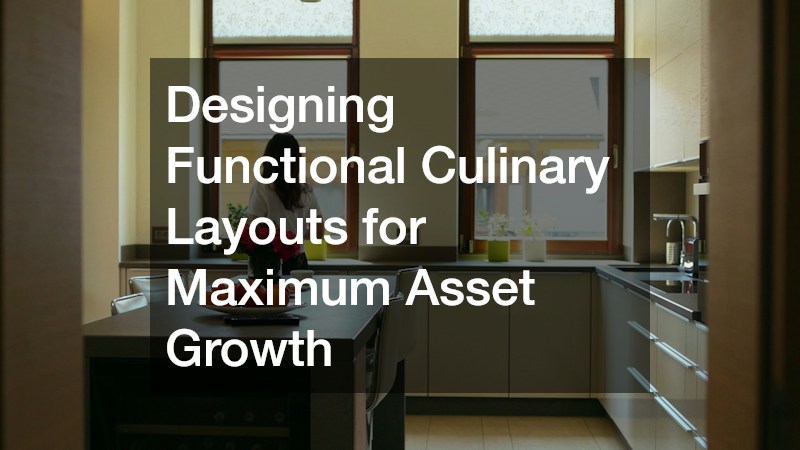
Designing Functional Culinary Layouts for Maximum Asset Growth
Transforming an outdated, compartmentalized kitchen into an open, high-end culinary haven requires viewing the space as an integrated mechanical unit rather than a simple cosmetic redecorating exercise. Outdated kitchens frequently suffer from cramped work triangles, inadequate counter space, poor lighting, and obsolete utility infrastructure that fail to support modern cooking habits or social entertaining. Removing non-load-bearing partition walls, expanding center islands, and re-routing hidden utility lines opens up living spaces and creates an inviting environment that maximizes property appraisal values.
Investing in comprehensive kitchen remodeling services enables homeowners to work alongside experienced design-build teams who handle architectural planning, spatial layout optimization, and trade scheduling transparently. Qualified remodeling firms utilize 3D rendering technology to help you visualize cabinet configurations, island placement, and lighting zones before demolition begins. Their experienced project managers coordinate demolition crews, mechanical subcontractors, and surface installers seamlessly, ensuring that structural alterations comply strictly with local building codes.
Refreshing Perimeter Wall Surfaces with High-Durability Coatings
The vertical wall planes and ceiling surfaces in a busy kitchen endure continuous exposure to cooking grease, moisture steam, heat, and accidental food splatters. Standard flat interior paints absorb grease stains quickly and break down when scrubbed, leaving unsightly water rings and faded patches that diminish the polished appearance of new cabinetry and stone countertops.
Scheduling a professional interior painting service ensures that your kitchen walls, ceilings, trim moldings, and window casings are prepared and coated using premium, washable paint formulas engineered specifically for high-moisture environments. Professional painters repair drywall imperfections, sand wall surfaces smooth, apply stain-blocking primers, and lay down satin or semi-gloss latex finishes that resist moisture penetration and scrub clean effortlessly. Their precise masking protects new cabinetry, stone counters, and flooring from paint drips.

Evaluating Professional Surface Painters for Clean Cabinet and Wall Finishes
While perimeter walls require durable moisture-resistant coatings, updating or repainting existing wood cabinets demands advanced technical expertise, specialized spray equipment, and high-performance industrial coatings. Attempting DIY cabinet painting using standard brushes and wall paint often results in visible brush marks, sticky surfaces, and peeling paint along door edges within months of application.
Evaluating established options among regional interior painting companies allows property owners to select licensed painting contractors equipped with dust-free sanding tools, spray booths, and specialized catalyzed urethane enamel coatings. Master painters remove cabinet doors and drawer fronts, taking them to controlled shop environments for thorough degreasing, mechanical sanding, primer bonding, and multi-coat spray finishing. Their meticulous shop process creates a factory-smooth, ultra-durable finish that matches the quality of newly manufactured cabinetry.
Installing Custom Storage Assemblies and Soft-Close Hardware Solutions
Storage infrastructure represents the functional backbone of any luxury kitchen layout. Outdated, off-the-shelf wall units with fixed shelving and sagging particleboard drawers create frustrating clutter, waste valuable vertical space, and fail to accommodate modern culinary appliances, heavy cookware, or pantry supplies efficiently.
Upgrading to custom-built cabinets featuring solid hardwood box construction, adjustable shelving, full-extension dovetail drawer boxes, and soft-close European hinges optimizes storage capacity and daily usability. Integrating specialized interior organizers—such as pull-out spice racks, deep pot drawers, hidden trash recycling centers, corner Lazy Susans, and vertical tray dividers—utilizes every cubic inch of storage space effectively. Custom tall pantry units framed by matching crown moldings create a tailored, furniture-grade aesthetic.
Investing in high-quality storage cabinetry transforms daily kitchen organization while adding substantial resale value to your property. Solid wood cabinet boxes handle heavy cast-iron cookware and stone countertop weights effortlessly without bowing or warping over time. Premium soft-close hardware eliminates cabinet door slamming, preserving structural joint integrity and delivering quiet, effortless operation for decades.
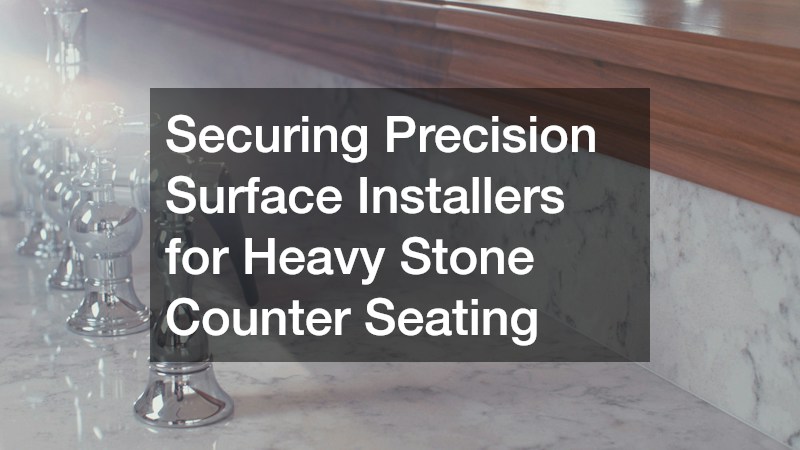
Securing Precision Surface Installers for Heavy Stone Counter Seating
Installing expansive stone countertops across perimeter cabinets and central kitchen islands requires specialized machinery, structural cabinet leveling, and precision seam alignment. Heavy granite, marble, or quartzite slabs exert immense downward loads that can crack unlevel cabinet frames or fracture along narrow sink cutouts if sub-top support framing is improperly installed.
Securing experienced trade teams for custom countertop installations guarantees that your base cabinetry is laser-leveled, reinforced with structural plywood underlayments, and fitted with precision-cut stone slabs. Master fabricators utilize digital template technology to measure wall scribes and sink centerlines accurately before cutting stone using high-pressure waterjets. Their technical installers set slabs with minimal seam visibility, apply color-matched epoxy adhesives, and secure undermount sinks with heavy-duty mounting clips.
Upgrading to Non-Porous Engineered Stone for Low-Maintenance Elegance
While natural marble and granite offer unique stone patterns, their porous molecular structures require continuous sealing to prevent permanent staining from red wine, citrus acids, cooking oils, and coffee. Furthermore, natural stone can harbour bacteria within microscopic surface pores if sealants break down under daily chemical cleaning.
Upgrading your prep surfaces to non-porous quartz countertops provides the timeless luxury aesthetic of natural marble with superior physical durability and zero routine sealing requirements. Engineered quartz slabs combine up to 93 percent crushed natural quartz crystals with high-performance polymer resins and pigments, creating a non-porous surface that resists staining, scratching, and chip damage. Modern quartz manufacturing replicates intricate marble veining and concrete textures with breathtaking accuracy.
Selecting engineered quartz surfaces simplifies daily kitchen maintenance to simple wiping with warm water and mild soap. Non-porous surfaces prevent bacteria, mold, and mildew growth completely, ensuring a hygienic food preparation environment for your family. High-durability quartz surfaces preserve their pristine, polished luster through years of heavy culinary use.

Laying Resilient Waterproof Composite Planks in High-Traffic Work Zones
Kitchen flooring endures intense daily foot traffic, heavy dropped utensils, pet claw scratches, and frequent water spills near sinks and dishwashers. Traditional solid hardwood flooring warps, gaps, and stains when exposed to standing water, while delicate ceramic tiles can crack under impact and feel cold and hard under barefoot standing during long cooking sessions.
Executing a professional luxury vinyl plank installation delivers a 100 percent waterproof underfoot flooring solution that replicates the rich grain textures of authentic hardwood with superior wear resistance. High-density rigid core composite planks feature multi-layer construction with thick wear layers, high-definition printed wood visuals, and attached acoustic underlayments that feel warm and cushioned underfoot. Interlocking click-lock joinery seals plank seams against liquid penetration completely.
Upgrading to luxury vinyl plank flooring protects your subfloor from hidden water leaks while providing a slip-resistant,scratch-proof surface that cleans easily with simple damp mopping. Cushioned underlayments dampen footstep noise and reduce fatigue on legs and back during food preparation. Modern composite plank flooring offers exceptional durability and aesthetic warmth across open-concept kitchen spaces.
Applying High-Gloss Seamless Resin Coatings for Modern Aesthetics
For modern, industrial, or contemporary kitchen designs, homeowners frequently seek ultra-durable, seamless flooring alternatives that eliminate grout lines and plank seams entirely. Continuous concrete floor slabs or timber subfloors can be transformed into sleek, high-gloss visual surfaces using advanced liquid resin systems.
Applying high-performance epoxy flooring over properly prepped concrete or cement-board subfloors creates a seamless,non-porous floor coating that resists water, heavy impacts, household chemicals, and thermal shock completely. Professional floor applicators diamond-grind underlying concrete, repair sub-surface cracks, and apply multi-coat liquid epoxy resins infused with metallic pigments or decorative quartz chips. A final clear polyaspartic topcoat delivers a brilliant, glass-like finish that reflects ambient lighting.
Selecting liquid epoxy coatings eliminates dirt-trapping grout joints and seam gaps completely, creating a hygienic floor surface that mops clean effortlessly. Metallic and quartz-infused epoxy formulas provide visual depth and custom color blending tailored to your interior design palette. Seamless resin flooring delivers industrial durability with show-stopping visual elegance.
Partnering with Certified Mechanical Teams for Sink and Appliance Rerouting
Relocating a kitchen sink to a central island, installing a pot filler valve above a commercial gas range, or adding an automatic ice maker and prep sink requires executing major structural alterations to underlying water supply lines, drain lines, and vent stacks. Improperly installed plumbing fittings or unvented drain lines lead to sewer gas smells, slow drainage, and hidden subfloor leaks that destroy expensive cabinetry.
Partnering with an established local plumbing company guarantees that all mechanical water line re-routing, gas pipe extensions, and drain stack modifications are executed according to strict municipal plumbing codes. Licensed master plumbers calculate proper drain pipe sizing and pitch angles, install accessible shut-off isolation valves, and verify water supply pressure calibration. Their technical oversight ensures that all new pipe joints are pressure-tested thoroughly before wall cavities and floorboards are enclosed.
Working with an accredited plumbing firm protects your home investment against catastrophic subfloor water leaks and code violation penalties during city building inspections. Licensed plumbing teams utilize durable PEX supply lines and copper fittings that resist scale buildup and corrosion over time. Professional mechanical execution guarantees a safe,leak-free utility foundation for modern kitchen appliances.
Executing Code-Compliant Pipe Alterations and Emergency Leak Inspections
During major kitchen demolition and cabinet removal, aging galvanized supply lines or corroded drain pipes are often exposed behind walls. Leaving obsolete, thin-walled piping inside newly enclosed walls risks sudden pipe bursts and slow pinhole leaks that ruin new wall finishes and custom cabinetry long after construction ends.
Arranging for specialized plumbing repair services during early demolition phases enables certified plumbers to inspect exposed piping, replace aging galvanized lines with modern corrosion-resistant materials, and clear branch drain lines thoroughly. Experienced plumbing technicians utilize video camera inspection probes to inspect main drain stacks, clearing grease scale and debris build-up before connecting new luxury sinks, garbage disposals, and dishwashers.
Taking proactive action on mechanical pipe repairs eliminates hidden water leak risks and ensures optimal wastewater flow across your new fixtures. Certified plumbers install water hammer arrestors along dishwasher lines, preventing sudden pipe banging noises when solenoid valves close. Proactive mechanical maintenance safeguards your luxury kitchen investment from water damage.
Hiring Licensed Electrical Specialists for Dedicated Circuit Sets
Modern luxury kitchens house high-draw electrical appliances—such as induction cooktops, dual convection wall ovens, microwave drawers, high-CFM range hoods, and built-in espresso machines—that demand substantial electrical power. Operating modern kitchen appliances on outdated, shared 15-amp electrical circuits triggers frequent breaker trips, dimming lights, and dangerous wire overheating hazards.
Hiring a certified electrician service guarantees that your kitchen electrical panel is upgraded and wired with dedicated 20-amp, 120V and 240V circuits tailored to your appliance specifications. Licensed electricians install required GFCI (Ground Fault Circuit Interrupter) and AFCI (Arc Fault Circuit Interrupter) protection outlets along countertop backsplashes, preventing shock hazards near water sources. Their lighting design integrates layered recessed ceiling cans,under-cabinet LED task strips, and decorative pendant lights controlled by dimmable smart switches.
Relying on certified trade specialists across interior design, custom carpentry, stone fabrication, plumbing, and electrical engineering guarantees that every phase of your kitchen makeover is constructed according to high building standards. Working with qualified contractors for structural wall alterations, dedicated appliance wiring, and mechanical pipe re-routing protects your financial equity and ensures long-term home safety. Regular surface cleaning, simple hardware adjustments, and proactive mechanical care preserve your kitchen’s beauty and utility year after year.