Retaining walls are a crucial part of many landscaping and construction projects, offering both functional and aesthetic benefits. For any homeowner considering adding or renovating a retaining wall, it is essential to understand the various aspects that contribute to its strength and longevity.
This extensive guide will delve into the key considerations and expert advice on building durable retaining walls.
Understanding the Purpose and Benefits of Retaining Walls
Retaining walls serve the primary purpose of holding back soil, which is especially useful in preventing erosion on properties with differing elevations. They are commonly used in landscaping to create functional flat spaces in hilly or sloped areas, turning otherwise unusable ground into aesthetically pleasing landscapes. Moreover, retaining walls contribute to increased property value by enhancing the curb appeal and providing additional features to the landscape.
Besides their functional role, retaining walls can be a crucial element in sustainable landscape designs. By effectively managing water runoff, they help in the prevention of soil erosion and can aid in the conservation of water, reducing environmental impact. In addition, strategic placement of retaining walls can lead to the creation of wildlife habitats, further boosting local biodiversity.
Retaining walls are not just structural; they add significant aesthetic value to a property. With an array of materials, colors, and styles available, they can be perfectly tailored to complement the existing architecture of a home. By choosing the right design, homeowners can create visually appealing outdoor spaces that resonate with their personal style and improve overall property aesthetics.
Key Construction Materials and Their Impacts
When it comes to constructing retaining walls, selecting the right material is of utmost importance for durability and design. Common materials include concrete blocks, natural stone, wood, and brick, each offering unique benefits and aesthetic qualities. Concrete blocks are widely favored for their strength and versatility, enabling intricate patterns and designs with ease.
Natural stone, while potentially more expensive, provides a timeless look that blends seamlessly with natural surroundings. Its organic texture and durability make it a preferred choice for homeowners seeking a more rustic or sophisticated ambiance. Wood is often chosen for its affordability and ease of installation, although it may require more maintenance over time to prevent rot and degradation.
Brick retaining walls offer a classic aesthetic that complements various architectural styles. These walls are known for their enduring strength and the ability to withstand harsh weather conditions. Whatever the material, homeowners must consider factors such as climate, soil type, and personal design preference to ensure the longevity and effectiveness of their retaining wall.
Proper Drainage Techniques
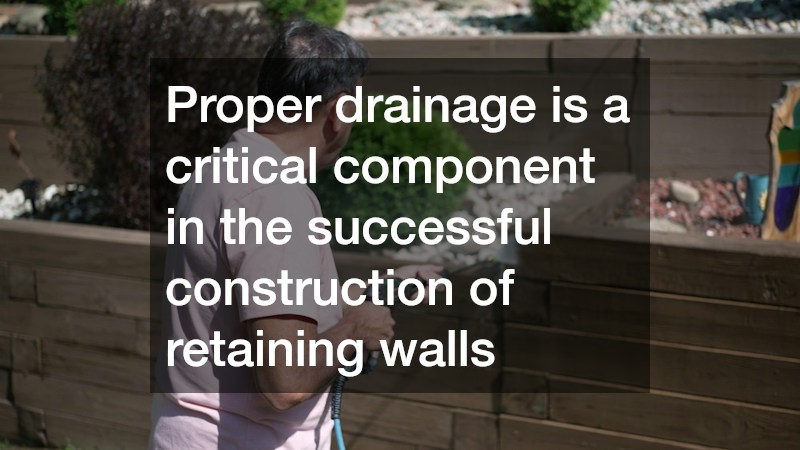
Proper drainage is a critical component in the successful construction of retaining walls. Without adequate drainage, water can accumulate behind the wall, increasing pressure and leading to possible failure. This is why incorporating drainage systems such as gravel backfill, drainpipes, and weep holes is essential to maintain the integrity of the wall over time.
Gravel backfill is particularly effective as it allows water to filter through the ground while minimizing soil erosion. Drainpipes located at the base of the wall help channel excess water away, preventing water buildup and decreasing hydrostatic pressure. Additionally, weep holes can be strategically placed to promote the easy exit of water and reduce pressure on the wall surfaces.
It’s crucial for homeowners to understand the local climate and soil conditions when implementing these drainage solutions. Local environmental factors such as heavy rainfall or poor soil drainage can significantly impact the effectiveness of drainage techniques. Carefully designed drainage systems ensure that retaining walls not only endure but thrive under various weather conditions.
Maintaining Your Retaining Walls
To maintain the strength and visual appeal of retaining walls, regular inspections and maintenance are necessary. Homeowners should routinely check for signs of wear, such as cracks or bulging, which may indicate underlying structural issues. Proactively addressing minor damage can prevent more significant problems in the future, safeguarding the investment.
Vegetation management is another critical aspect of retaining wall maintenance. Removing overgrowth and ensuring that plant roots do not interfere with the wall structure is vital to prevent damage. Moreover, keeping the surface clean from debris and die-back will enhance the wall’s appearance and contribute to its longevity.
Weather elements can also affect the durability of retaining walls. Applying sealants or protective coatings can help guard against moisture and frost damage. By combining routine inspections with appropriate preventive measures, homeowners can ensure that their retaining walls remain strong and beautiful for years to come.